Enrollment opens each March — register by 31 May for the discounted rate.

Apply Now
Student Life

Curious minds.Busy hands.

Robotics and coding, science fair, debate, Model UN, TED-style talks, and National History Day give students room to explore.

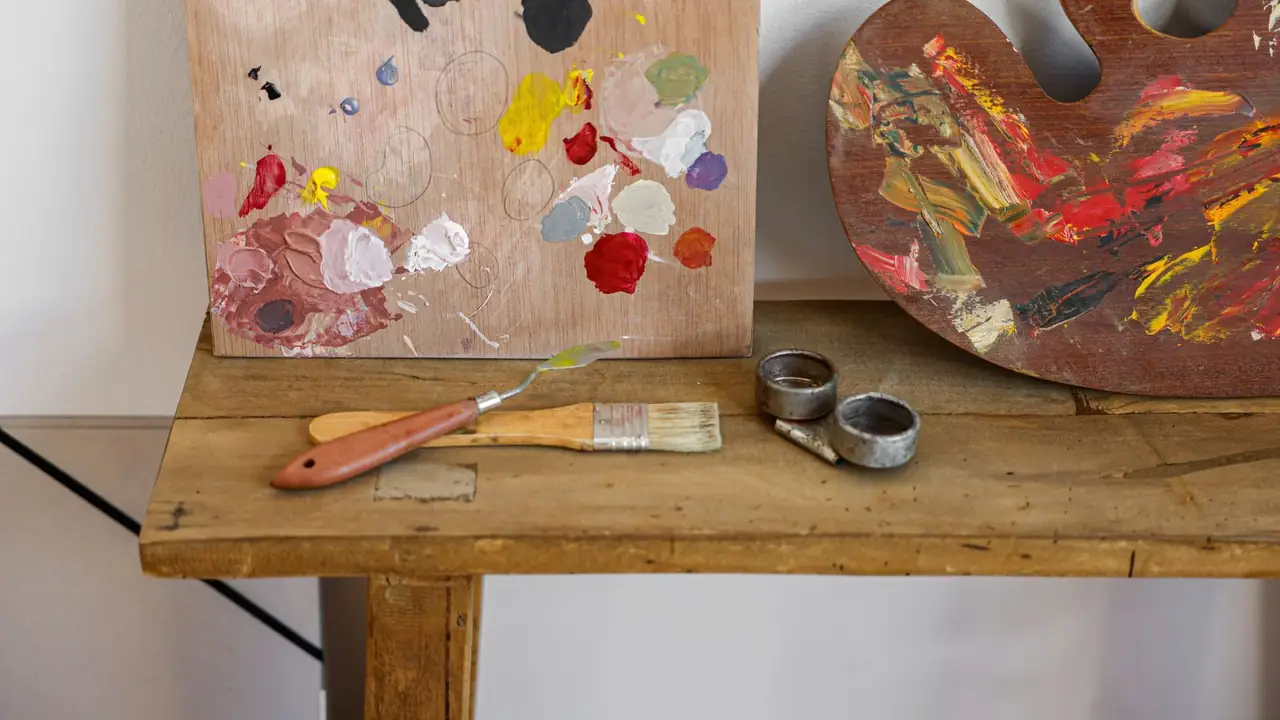
A rustic pine table with a paint-spattered mixing board, a palette knife and brush, and a loaded ochre and red palette.

Arts and STEM

Making things, and making them work.

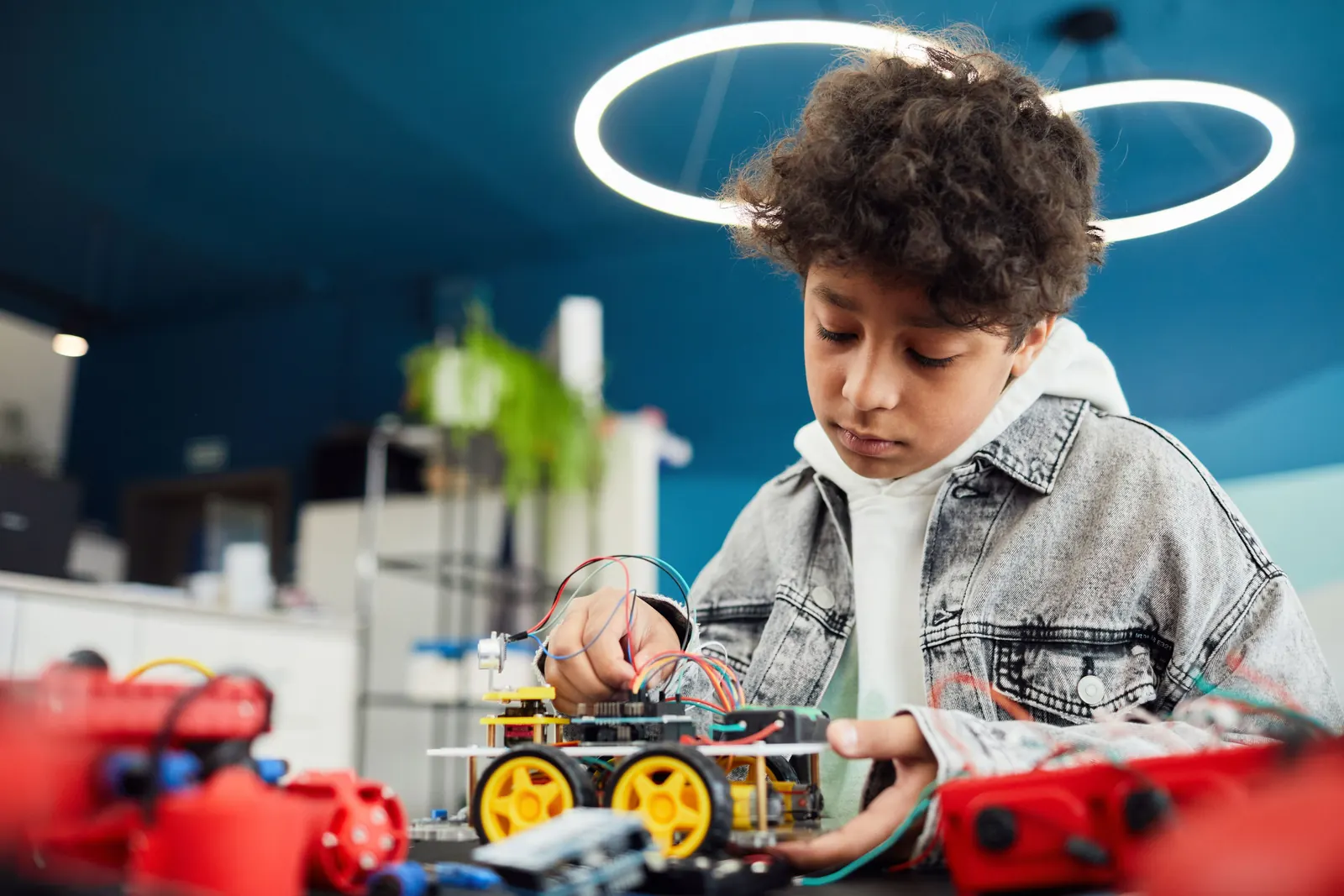
A boy in a denim jacket wires up a small wheeled robot on a workbench scattered with parts

Art and technology both start in the timetable and carry on after school, so a child who finds a spark in class has somewhere to take it.

The arts

Art joins every child’s timetable from Grade 5. Younger children who want to start sooner can join Art Club, and Recorder Club gives them a first instrument and a first taste of making music together. Creative writing and journalism clubs in the middle grades are there for children whose art is words.

Science and technology

Computer science is a subject for every child from Grade 4. Robotics and coding carry it further after school, from the middle grades through high school. Science is taught with a science lab, and the school has a computer lab, so experiments and programming are done, not just read about.

For children who like a problem to solve, there are Mathletes, quiz bowl and Mustang Minds, the school’s puzzle and logic club.

The school will confirm

One sentence for each program on what students actually do in it: for example, what the robotics students build, which languages the coding club uses, and what Recorder Club performs and when.

Showcases

Research it, then present it to others.

Some of the most useful things a student learns come from finishing a project and standing up to explain it. These programs give them that chance.

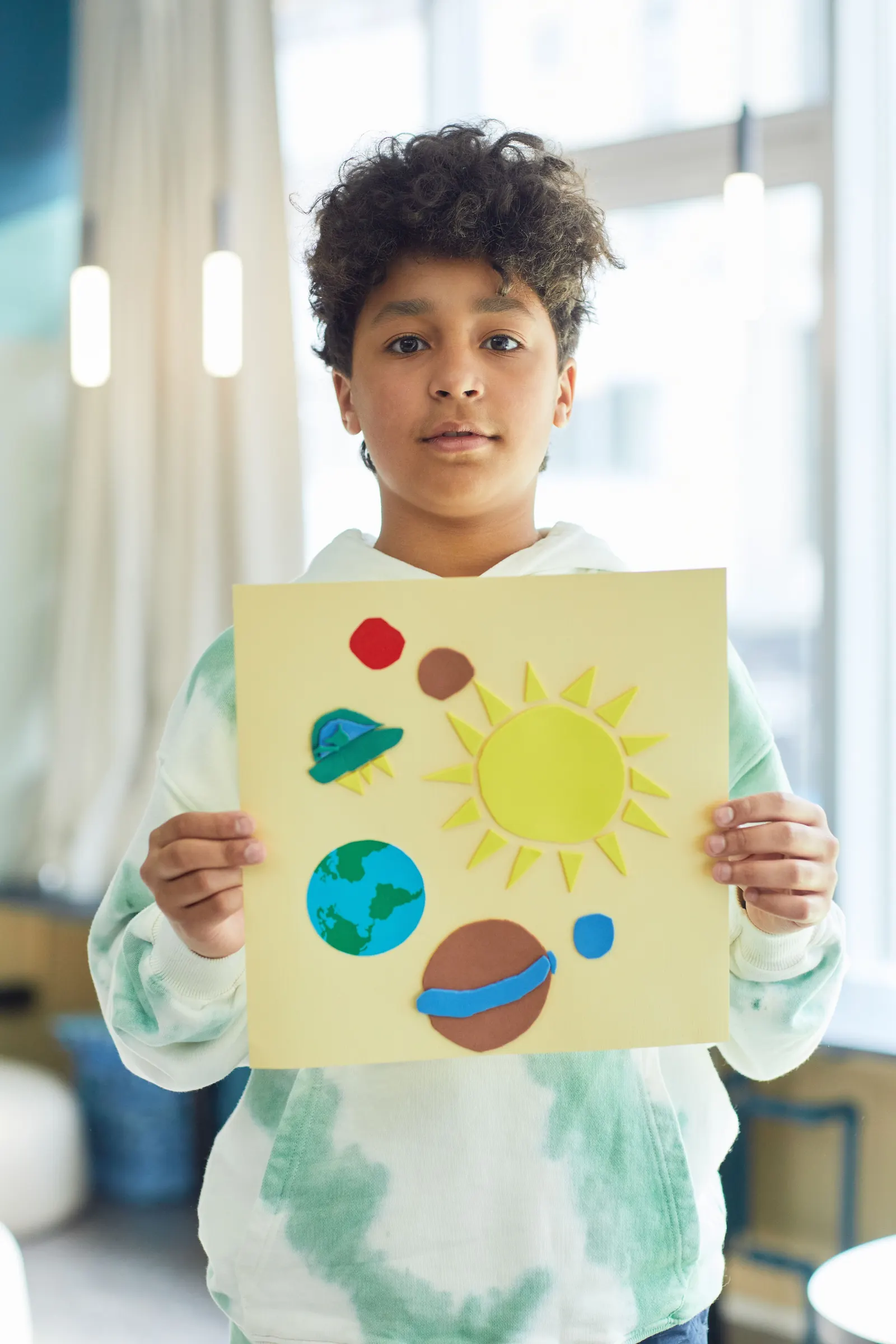
A teenage boy holds up a hand-made model of the solar system he has built

Research

Science fair and National History Day

At a science fair, students choose a question, design a way to test it, and present their results to judges. National History Day is a national program in which students research a historical topic and present what they find as a paper, an exhibit, a performance, a documentary or a website.

Both teach the same habits: asking a good question, working on it over weeks, and explaining the answer clearly.

The school will confirm

Which grades take part in the science fair and National History Day, when each happens, and whether students go on to regional or state rounds.
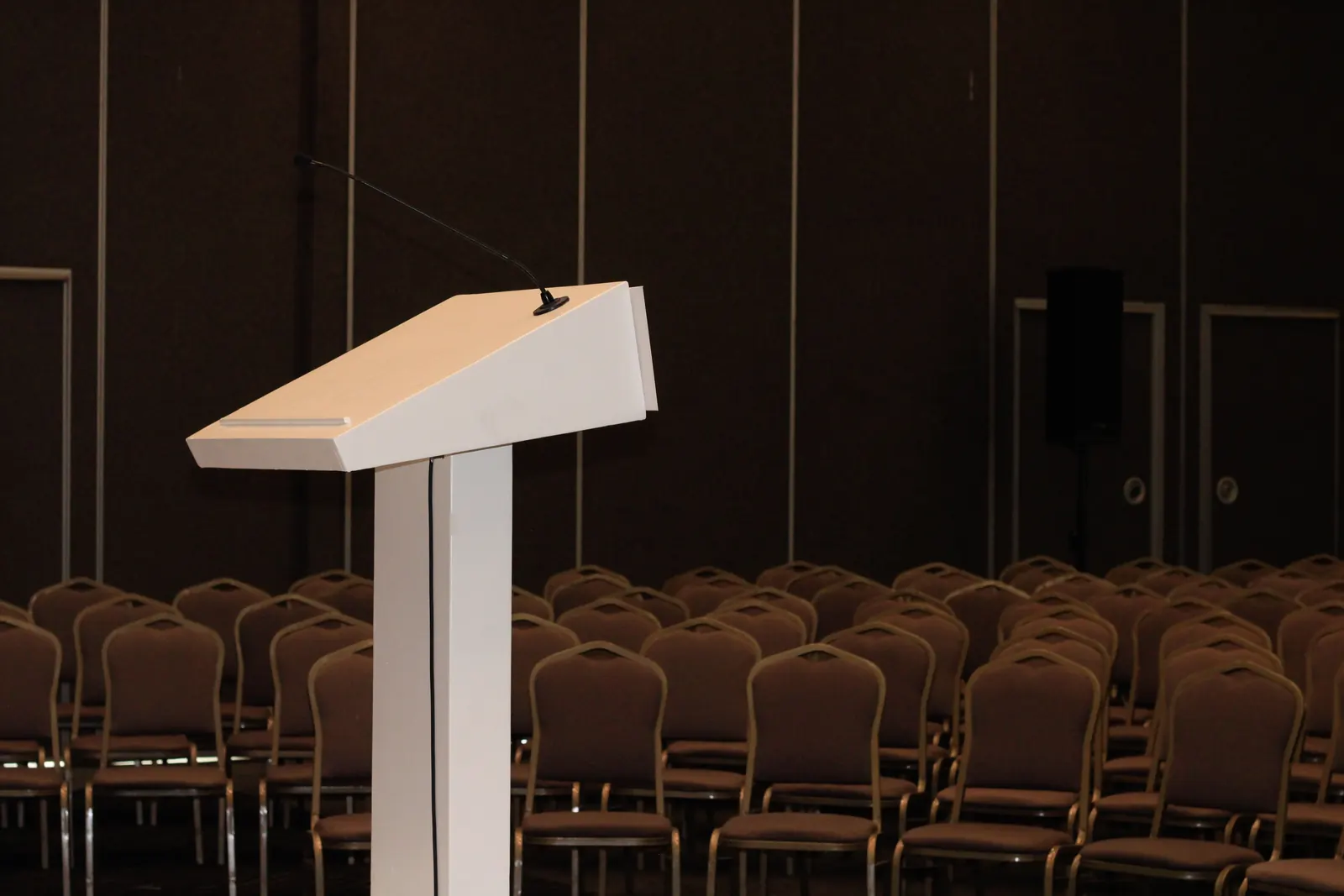
A white speaker's lectern with a microphone before rows of empty chairs in a dark hall

Speaking

Debate, Model UN and TED-style talks

In Model UN, students represent a country and argue its position with other delegates, the way the United Nations does. Debate trains students to build an argument and answer the other side. TED-style talks ask a student to prepare a short talk on an idea they care about and give it to an audience.

Model UN is open to middle and high school students.

The school will confirm

Which grades take part in debate and TED-style talks, whether Model UN students attend outside conferences, and whether talks are given to families as well as students.

Room to explore

Feed a curious mind.

If your child is always asking why and how, they will find good company and good projects here.

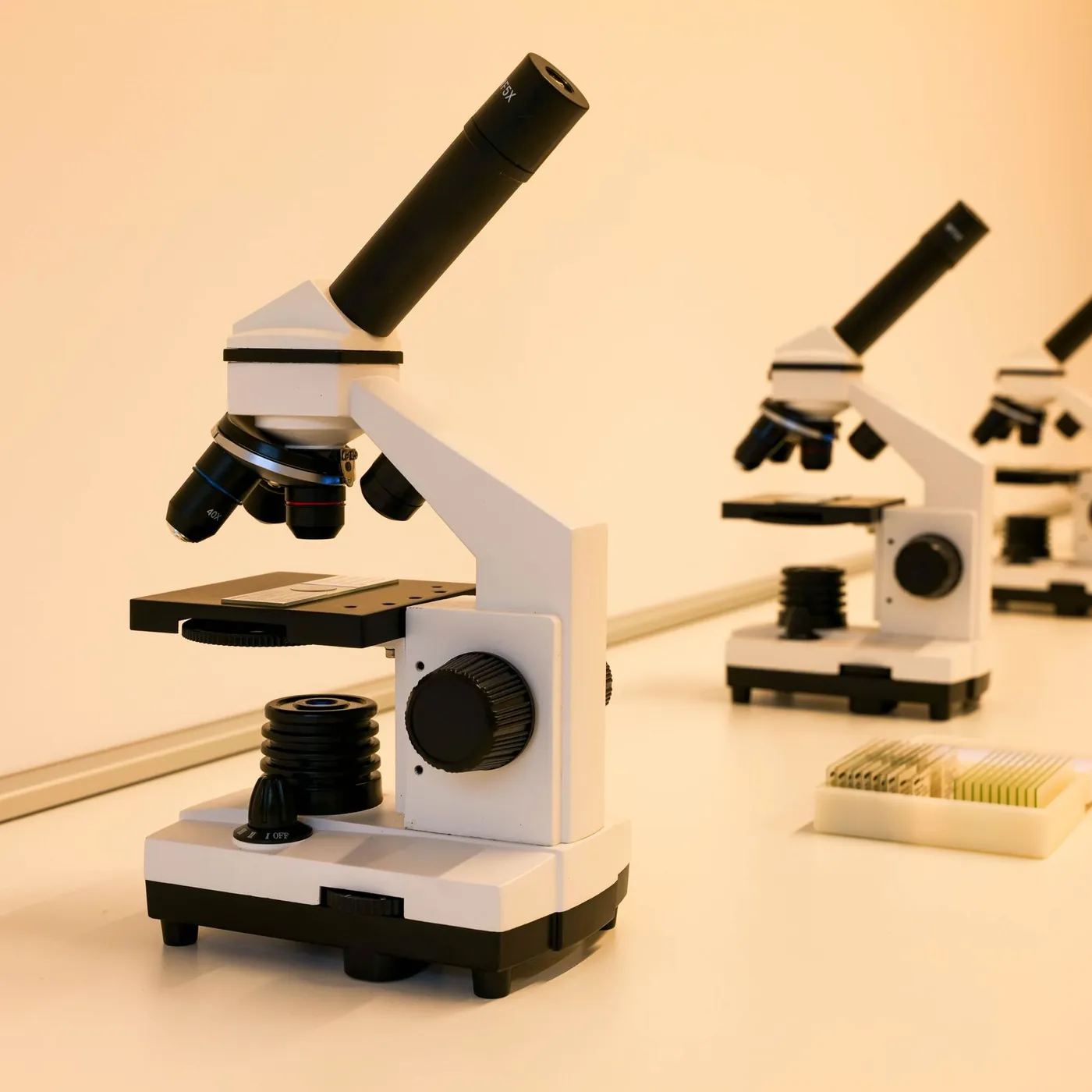
A row of white student microscopes on a lab bench with a box of prepared slides, in warm light