Enrollment opens each March — register by 31 May for the discounted rate.

Apply Now
Islamic Education

Islamic studies.At every stage.

Islamic studies is a core subject at every stage, with a curriculum that deepens from elementary school into high school.

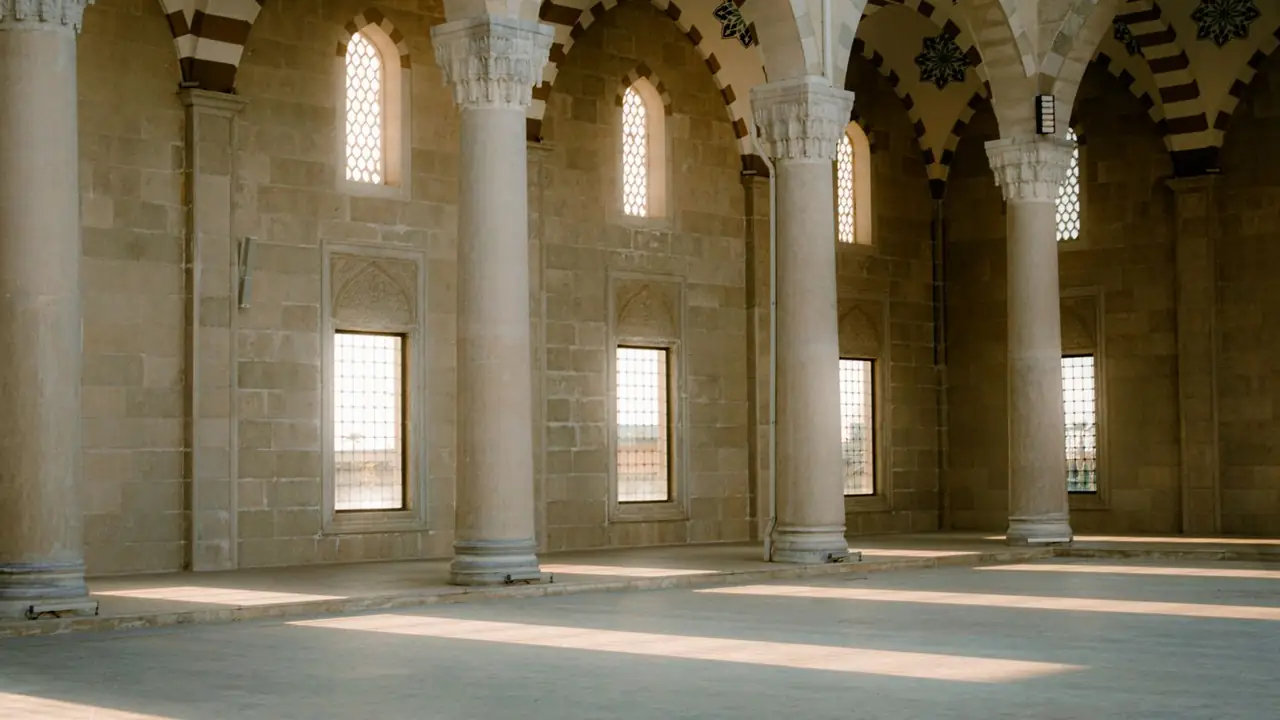
An empty sunlit mosque arcade in pale limestone, with banded arches, carved capitals and sunbeams lying flat across a bare floor.

Islamic studies

Islamic studies that grows with your child.

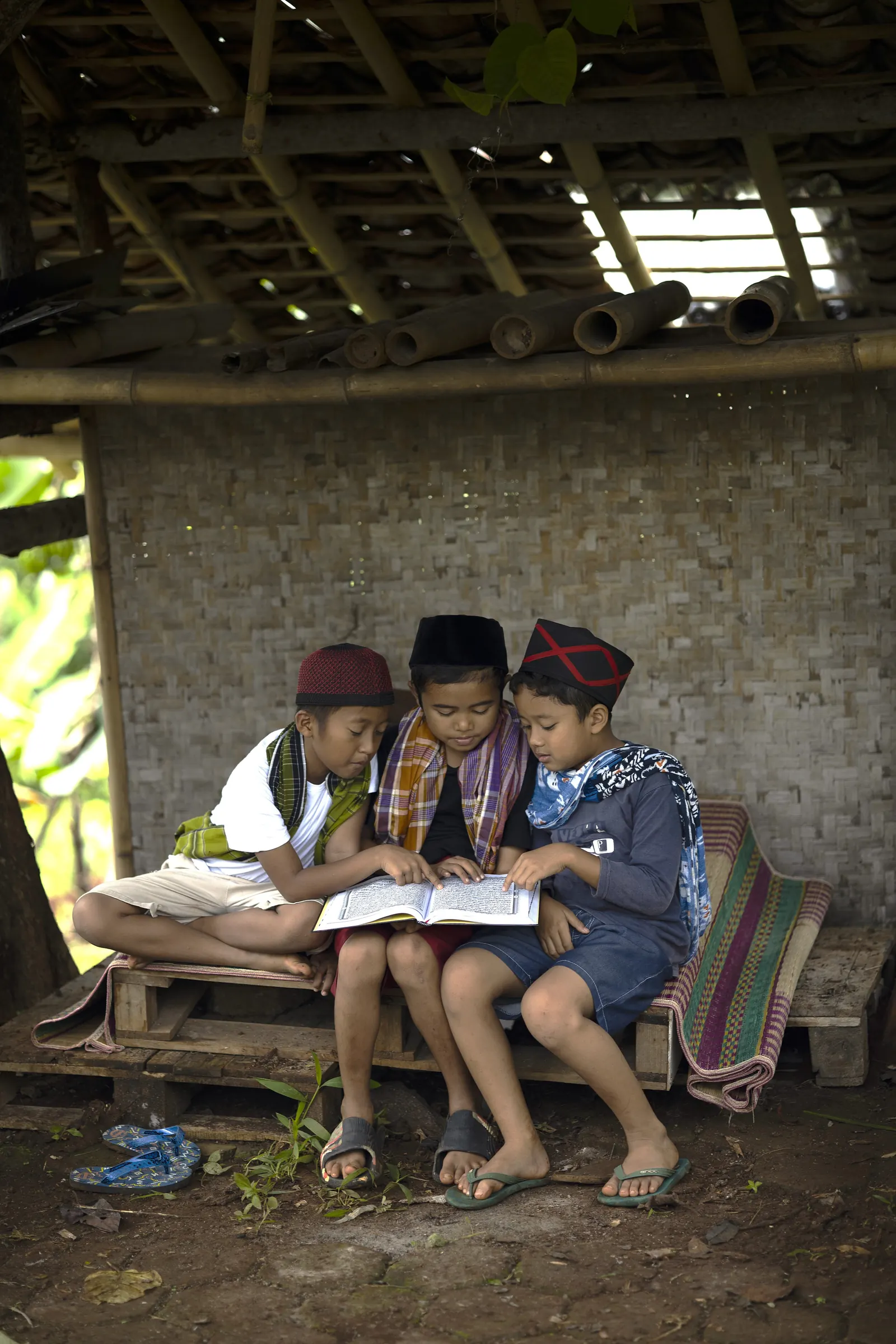
Three boys in caps and scarves sit close on a bench under a bamboo shelter, reading one book together Elementary • Middle • High
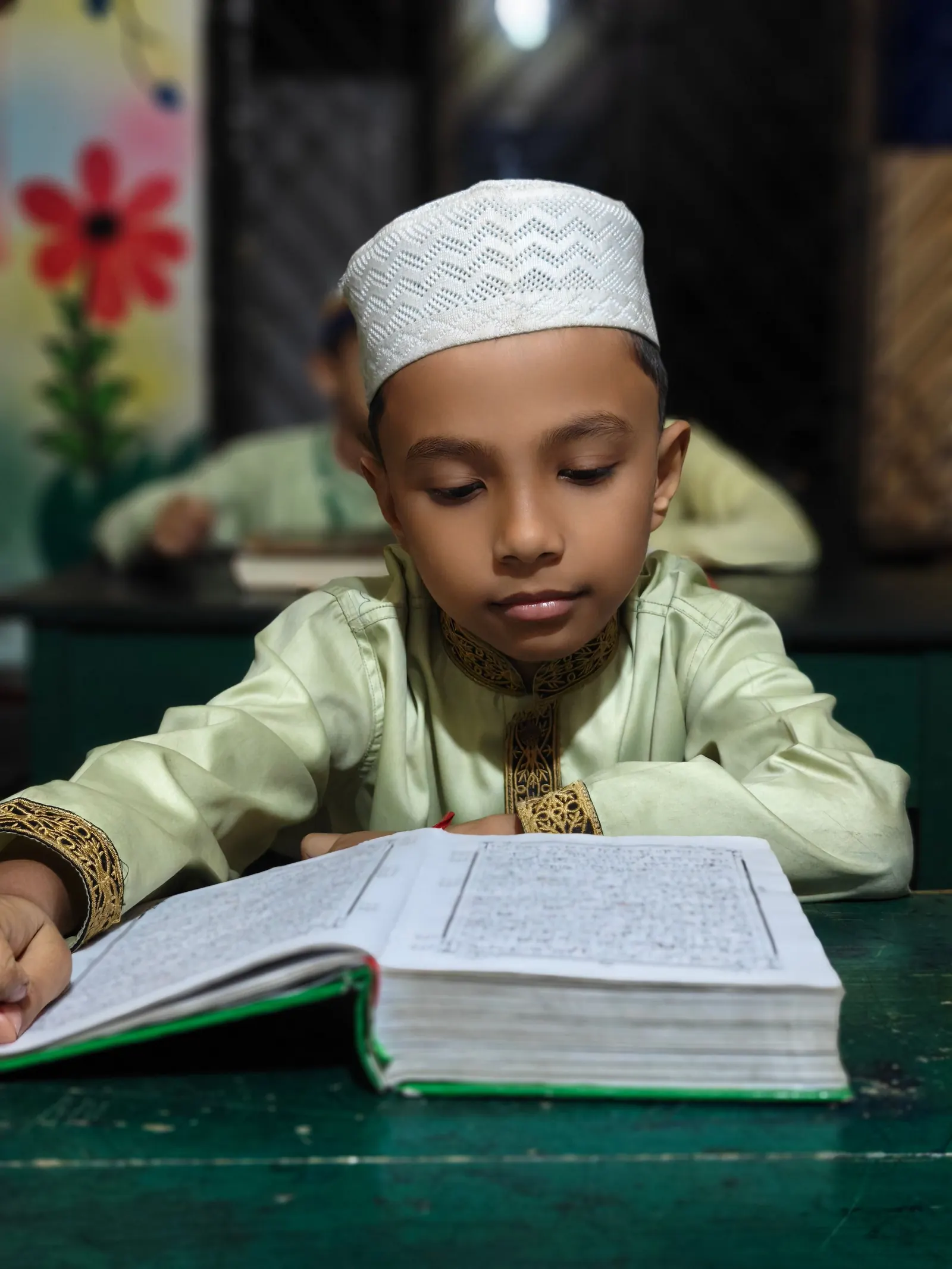
A boy in a white kufi and embroidered kurta reads a large open book at a green school desk
Our mission

Our primary mission is to give students a strong sense of belonging to the Muslim community, to provide excellent well-rounded education in a healthy Islamic environment, and to provide students with a solid grounding in Islam and Arabic, which will enable them to live God conscious lives.

A subject from Kindergarten

Islamic studies is on the timetable from a child’s first year of full-day school. In Kindergarten it sits alongside Arabic, English language arts, math, science, social studies and PE, and it stays a core subject at every stage after that.

A series for each stage

The course follows a published series that changes as students grow, so the way the faith is taught matches the age of the child: I Love IslamNeeds fixing in elementary school, Learning IslamNeeds fixing in middle school and Living IslamNeeds fixing in high school.

In high school

High school students continue with Islamic studies, Qur’an and Arabic four times a weekNeeds fixing. Our Ijazah program began with Grade 9 in the 2026-27 school year. In it, a student’s Qur’an recitation is heard and certified by a qualified teacher.

Studied, then practiced

What is learned in class is practiced in the day. From Grade 1, salah is on the timetable as a subject and students pray Dhuhr together, so prayer is both something children study and something they do. Girls wear the hijab in Qur’an and Islamic studies classes and at salah. Kufis are optional for boys.

The school will confirm

The exact titles and publisher of the Islamic studies series, what the course covers at each stage, and how many hours a week it is taught.

The school day

Faith in the school day.

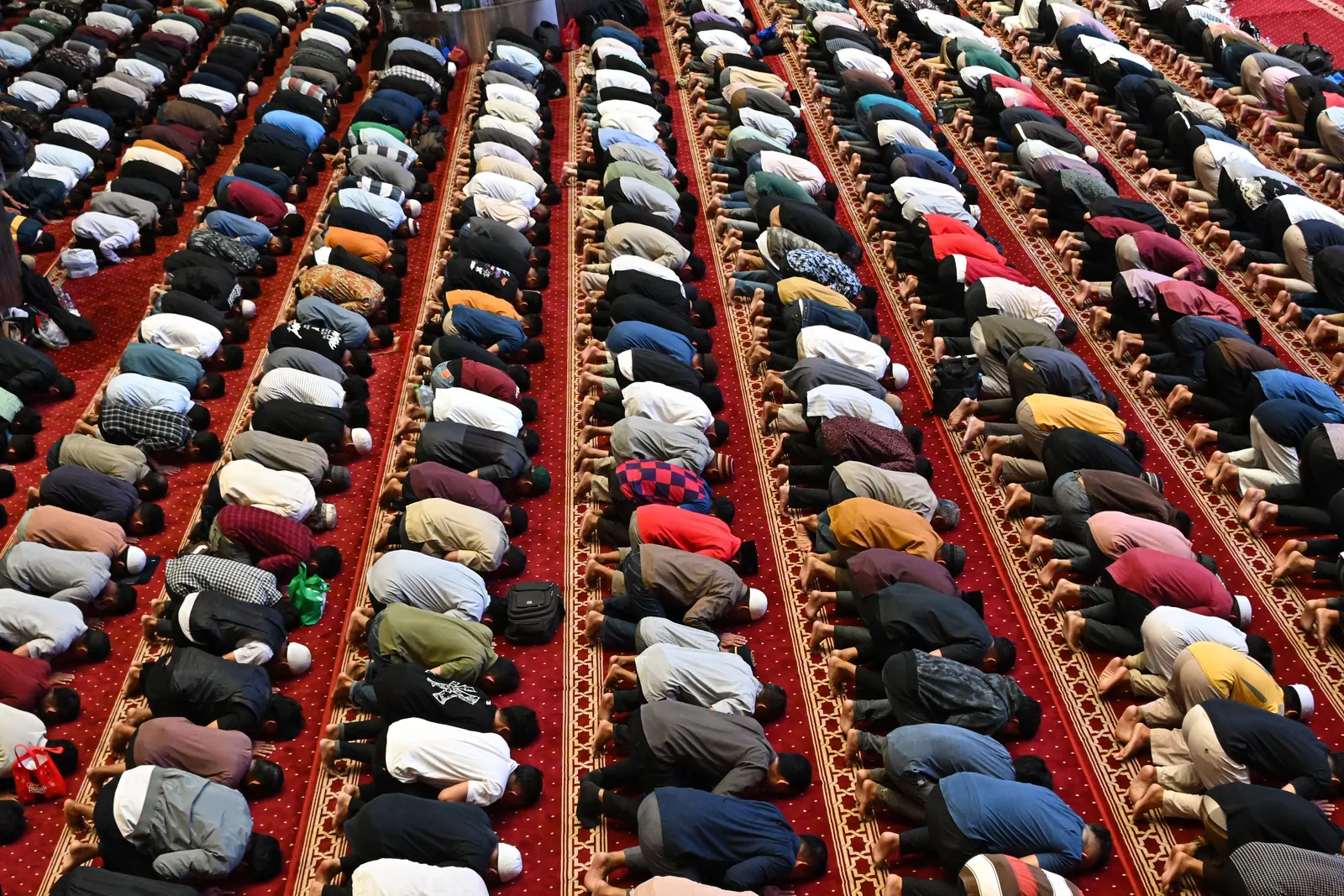
Rows of men and boys in prostration across a red-carpeted mosque floor, seen from above

At Huda Academy, faith is part of the ordinary school day. It is on the timetable, and from Grade 1 the day includes the midday prayer.

Much of the day is the academic work any family would expect: English language arts, math, science and social studies. Islamic studies, Arabic and Qur’an sit in the same timetable and the same building, so children do not experience their faith as something separate from their learning.

From Grade 1, students pray Dhuhr together every school day, and older students mentor the younger ones. Each year group learns the prayer by example from the one above it.

On Fridays, we hold Jummah at 1pm, and an older student gives the khutbah. Hearing a classmate speak about the faith shows younger children that leading is something they can grow into.

The same care extends to how students treat one another, including, as part of our vision, how to behave with classmates of the opposite gender. The Tarbiyah page explains more.

Qur’an and Arabic

The Qur’an and its language, side by side.

Two parts of Islamic education at Huda Academy have pages of their own. Here is what each involves, in brief.

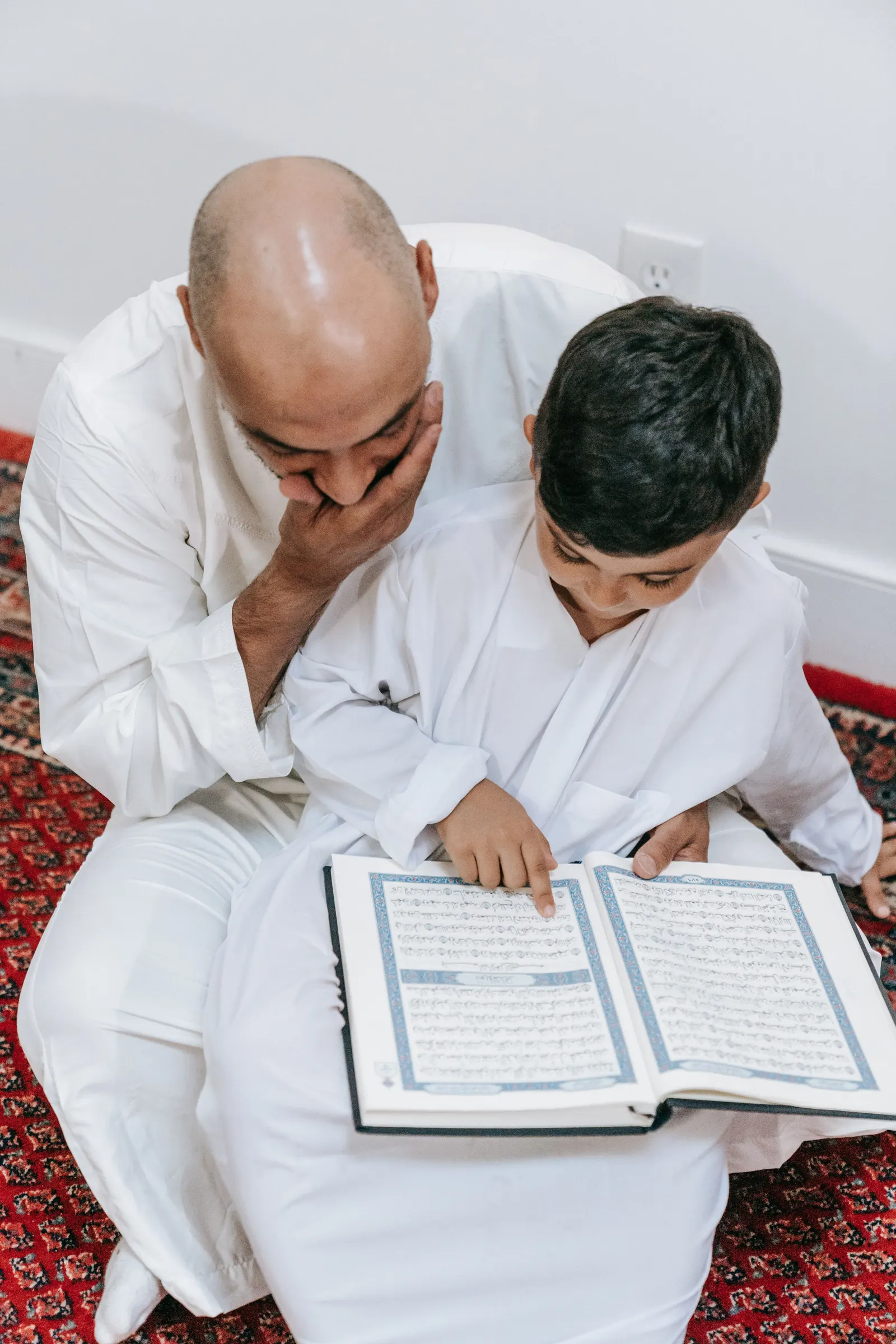
A man in a white thobe sits behind a boy, following as the boy points along the lines of an open Qur'an

Qur’an and Hifz

Recitation and memorization

Qira’ah begins in Grade 1, and every grade memorizes its own portion of the Qur’an over the year, with the teacher tracking each student’s progress. The Hifz program is offered as enrichment, and an Ijazah program is open in high school.

Eleven people on our staff are huffaz, which means they have memorized the whole Qur’an. The Qur’an and Hifz page follows the program stage by stage.

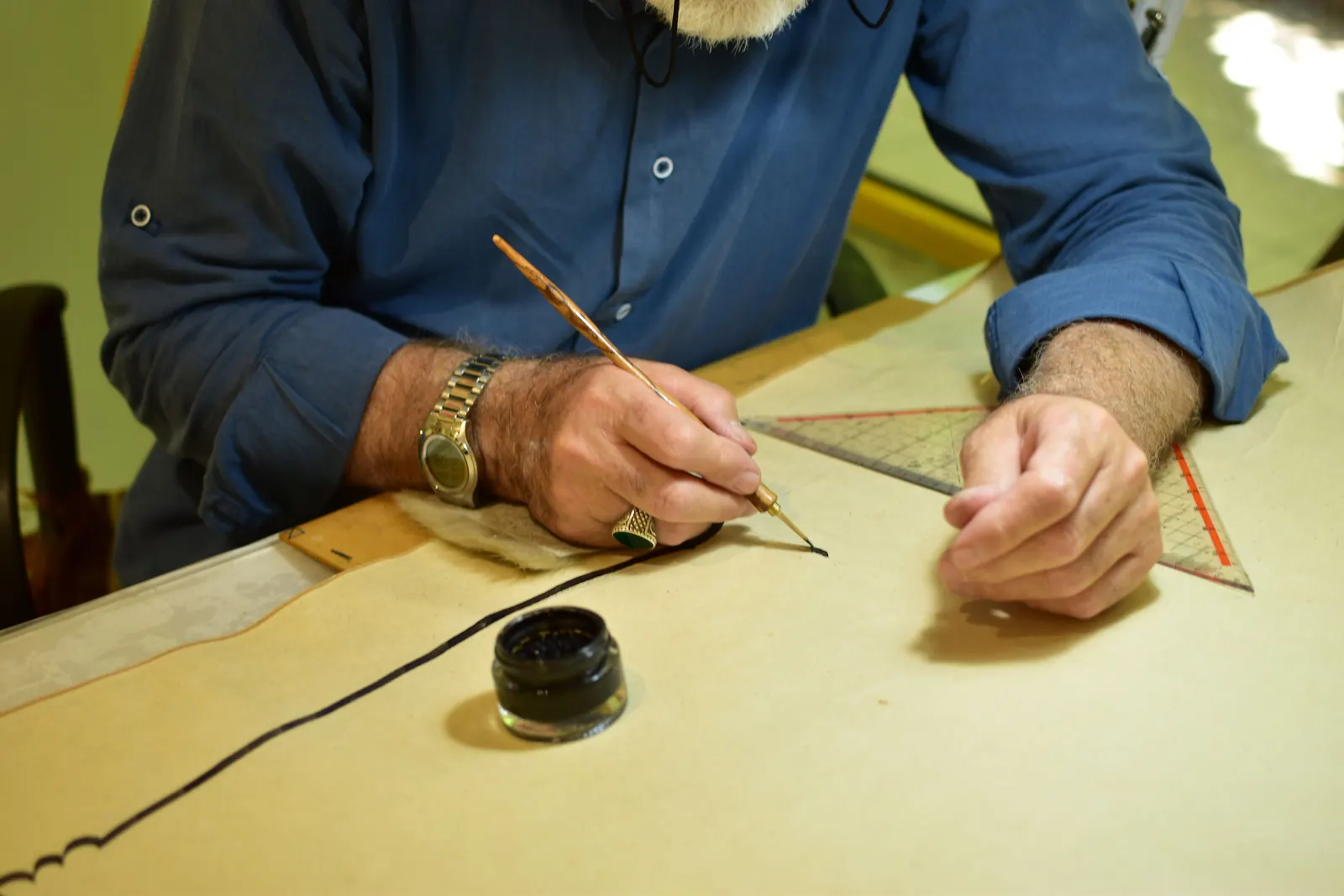
A bearded calligrapher in a blue shirt draws a line with a wooden reed pen beside a small pot of ink

Arabic

Two kinds of Arabic, from Kindergarten

Arabic is a full subject from Kindergarten. Modern Standard Arabic is taught as a language, while Qur’anic Arabic is used in the Qur’an and Qira’ah classes.

From Grade 3, our Arabic program follows the Bayyinah curriculumNeeds fixing, with the emphasis on understanding the message of the Qur’an. Middle school students can enter the Arabic spelling bee. The Arabic page has the details.

Faith at the center

Deen at the heart.

A child who learns their deen alongside their lessons grows in both, and an application is the first step.

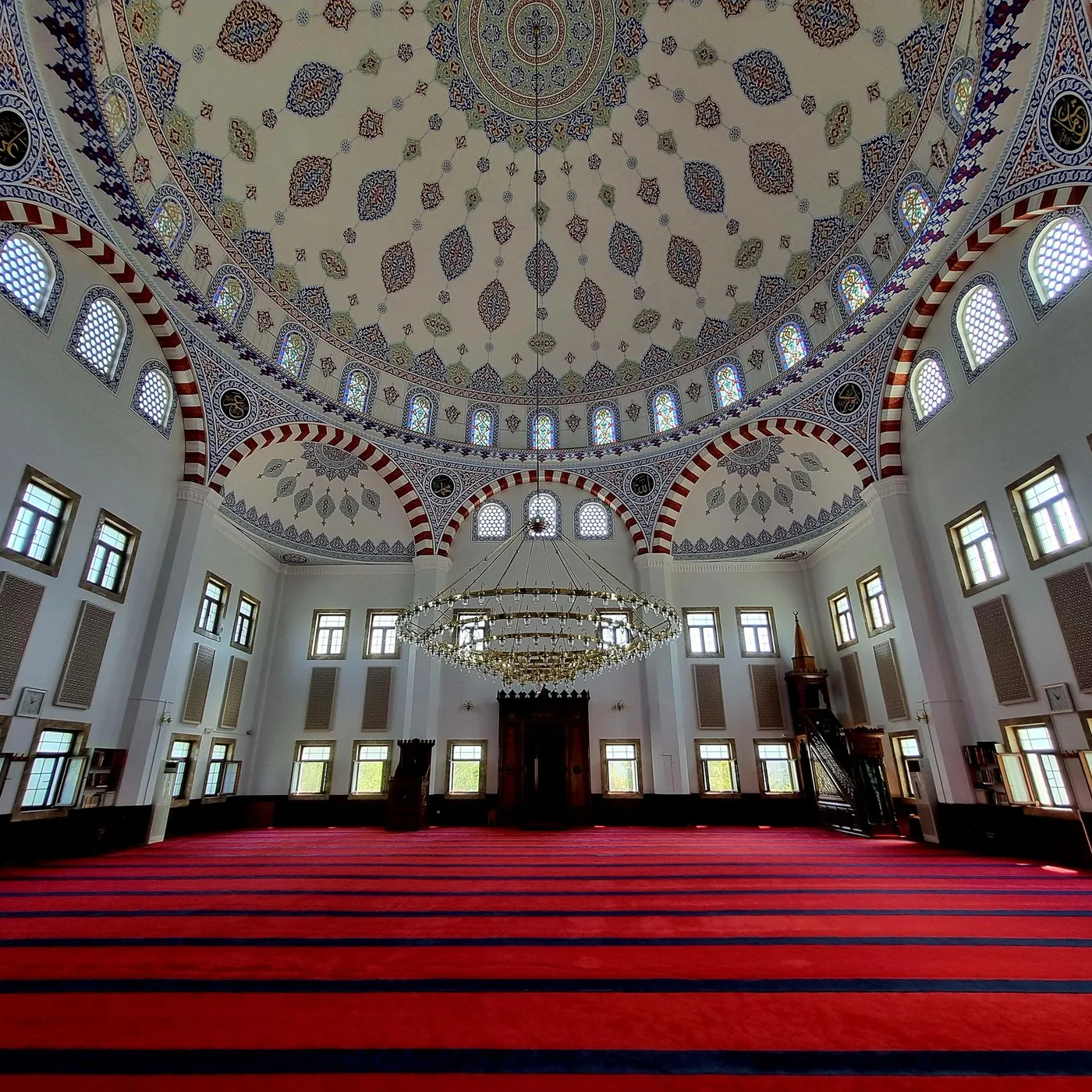
An empty mosque prayer hall under a painted dome, with red-striped carpet, a brass ring chandelier, mihrab and wooden minbar