

Help in class.More if needed.
Teachers support children in class first, and our interventionist steps in through Response to Intervention when more help is needed.

How support works
Four steps, starting in the classroom.
Huda Academy uses Response to Intervention, or RTI, a widely used approach in which help comes in steps. It starts small, inside the child’s own class, and becomes more intensive only if the child needs it.

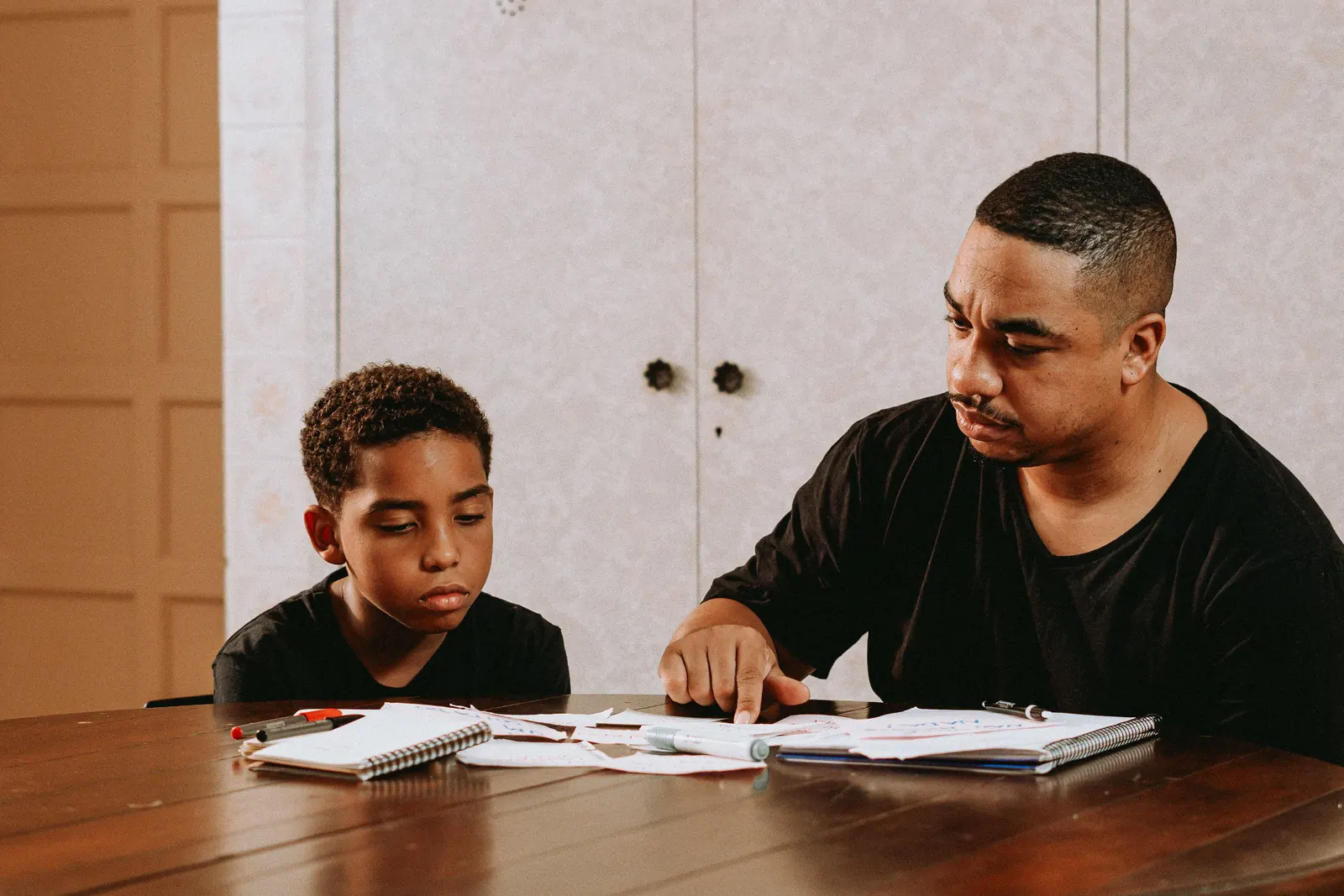
Help in the classroom
The classroom teacher is usually the first to notice when a child is struggling, and the first to respond. Teachers provide RTI in their own lessons: small, targeted changes to how something is taught or practiced, watched closely to see whether they work.
Pull-out support
If classroom support is not enough, our interventionist, an educational support specialist, works with the child outside the regular lesson. These pull-out sessions are planned around that child’s own needs.
The RTI committee
Our RTI committee reviews how each supported student is doing and decides whether the support should continue, or whether the child needs more intensive academic support.
Accommodations
Some children need a change to how they are taught or assessed. Accommodations are agreed in a meeting with administration, and are approved under certain conditions when there is proper documentation to support them.
Why it works here
Smaller classes and a record kept all year.
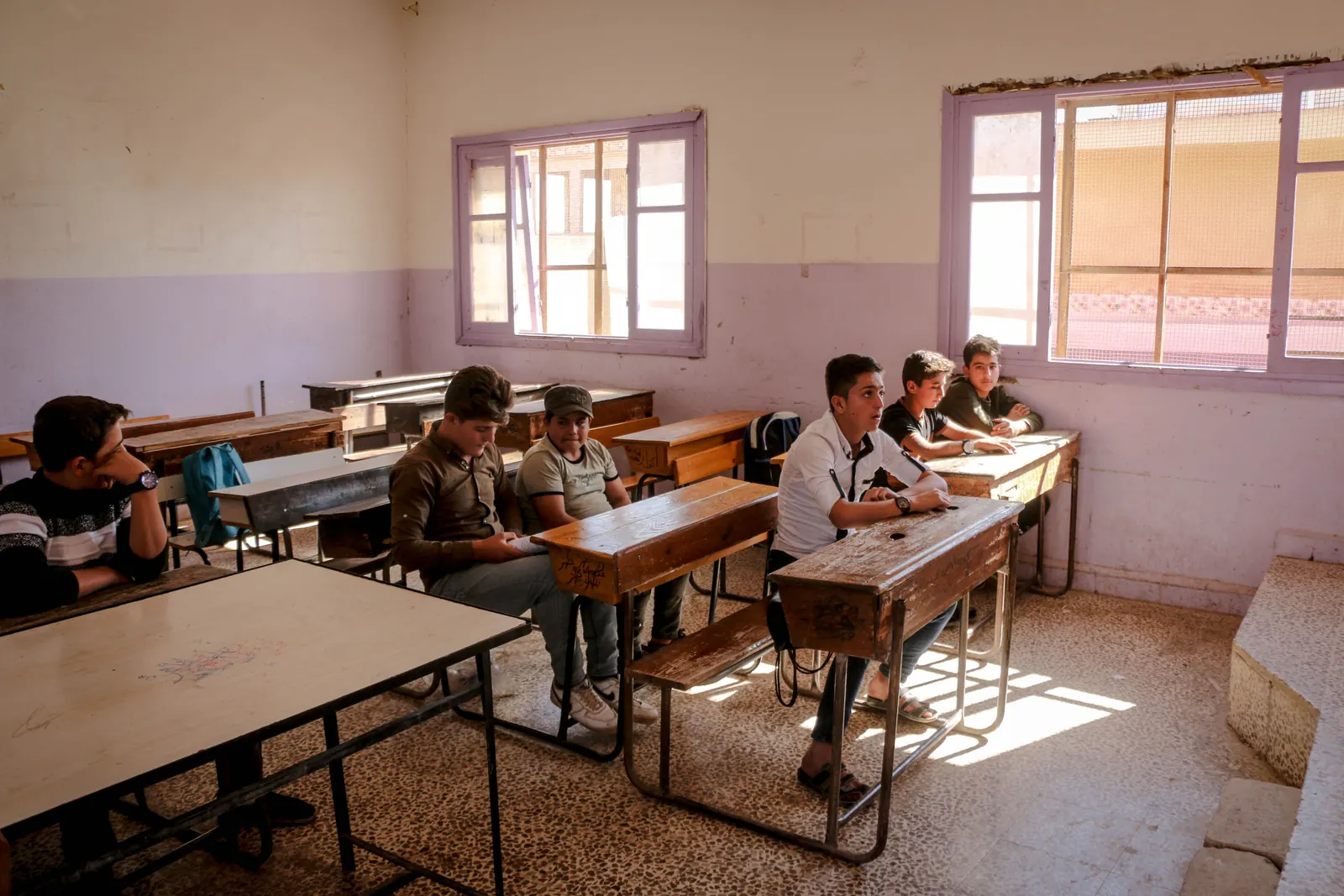
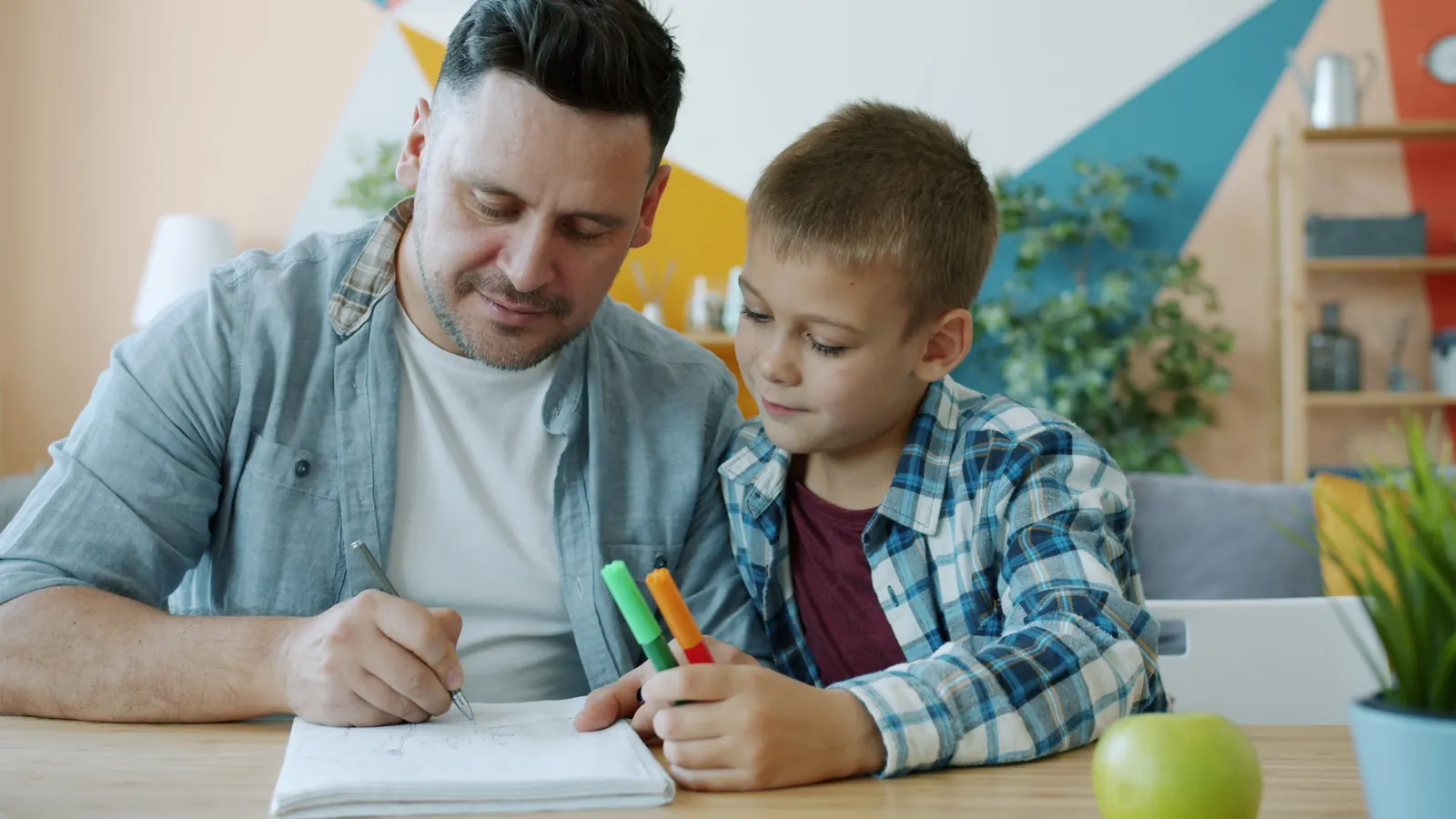
Smaller classes
We keep our classes smaller than public schools can usually offer, because that is what makes better teaching possible. A teacher with fewer children to follow notices sooner when one of them starts to fall behind, and noticing early is where RTI begins.
Progress followed all year
Teachers do not wait for a report card to find out how a child is doing. They follow each student through the year with formative assessments, the short checks woven into daily lessons, and summative assessments at the end of a unit. Those results show which children need extra help, and what kind.
Support in both directions
The same record is used for students who are ahead. In the middle grades, a student moves into an advanced course when the teacher’s record across the year shows they are ready. The advanced courses are pre-algebra, Algebra I, geometry, physical science, world history, world geography and US history.
Our support staff
Alongside our interventionist, we have our own school counselor. We also have a special education teacher.
The school will confirm
How and when parents are told that their child is receiving classroom RTI or pull-out support, and what documentation the school accepts when accommodations are requested.
Therapies
Speech, occupational and physical therapy.
Speech therapy, occupational therapy (OT) and physical therapy (PT) reach Huda Academy students by one of two routes: through the Little Rock School District, or privately, arranged by the family.
What each therapy is for
Speech therapy helps with speaking, language and understanding. Occupational therapy works on the skills children need for everyday tasks at school, such as handwriting, using scissors and managing sensory needs. Physical therapy works on movement, strength, balance and coordination.
Through the school district
Because of our affiliation with the Little Rock School District (LRSD), these services can sometimes be provided through the district. It depends on whether the district has openings to support students outside its own schools, so it is not guaranteed.
Privately
More often, families arrange therapy outside school and bill it to their health insurance. Parents can also ask a therapy center whether its therapists would come to the school to see their child during the day. In that case the family pays the provider, and the therapist needs approval from our administration before working with a child on site.
The school will confirm
Who at the school a family should speak to first about speech, occupational or physical therapy, and how a request for support through LRSD is made.
The people and
plans behind it.



No child overlooked
Share how they learn best.
What you already know about your child helps our teachers plan the right support.