Enrollment opens each March — register by 31 May for the discounted rate.

Apply Now
Academics

Kindergarten.Full-day school.

A full school day of reading, math, science, Arabic and Islamic studies, with extra help in class for any child who needs it.

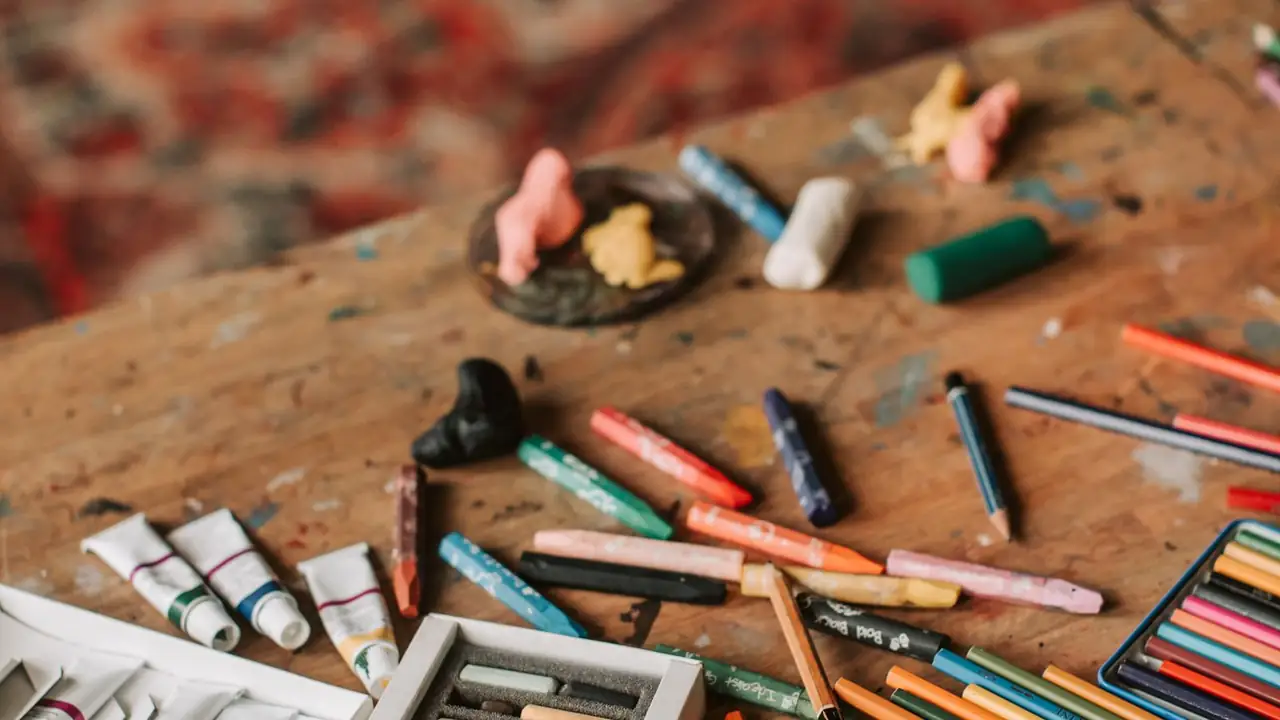
A well-used honey-wood craft table from above, with wax crayons, oil pastels, plasticine shapes and a tin of colored pencils.

A full day

Kindergarten here is a full school day.

“A full day only to meet ADE requirements.”

ADE is the Arkansas Department of Education.
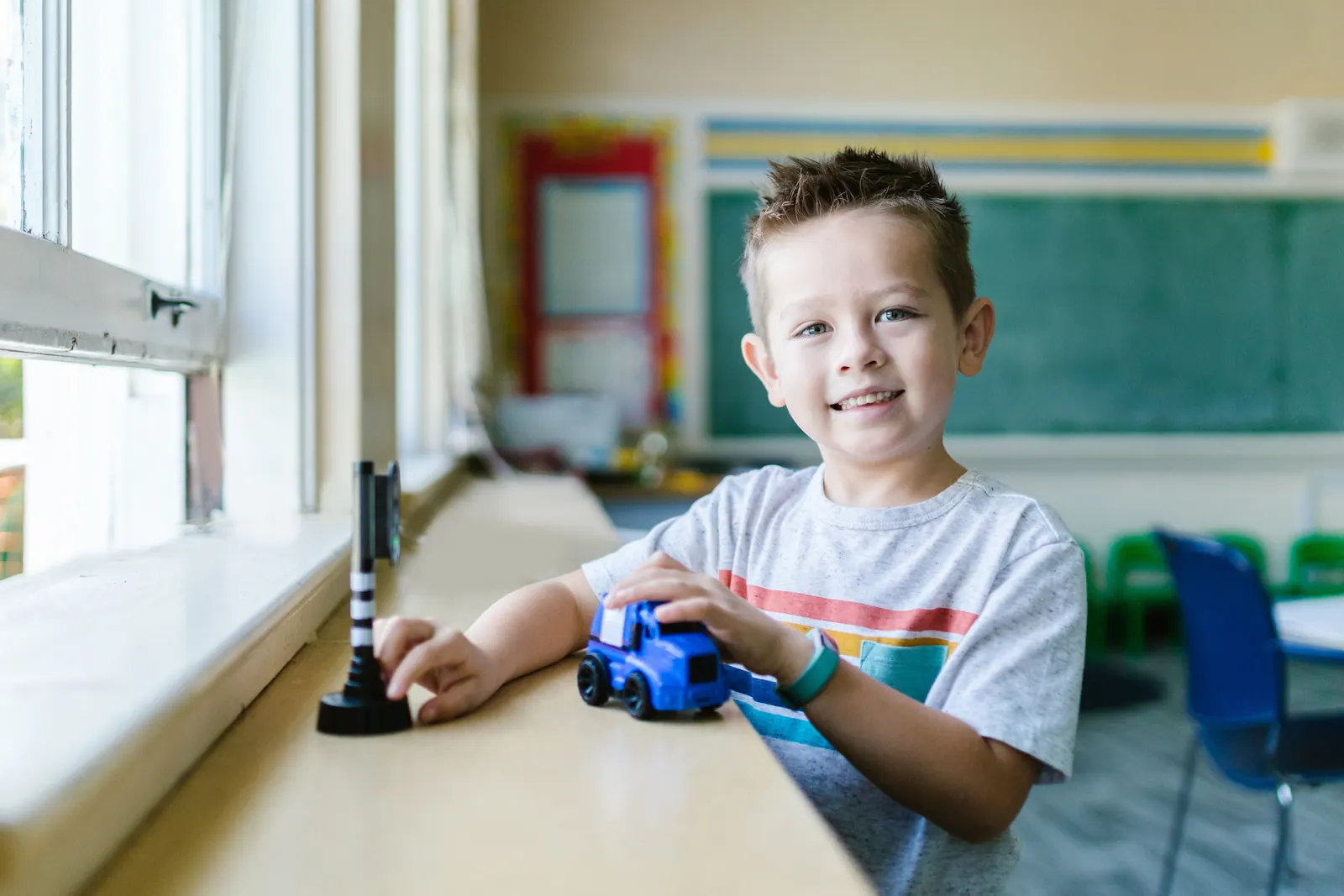
A smiling boy plays with a toy truck on a classroom windowsill 8:00 to 3:25 • Seven subjects

Huda Academy does not offer a half-day Kindergarten. Kindergarten runs the full school day, 8:00 to 3:25, because state law requires Kindergarten children to attend the full day and meet state educational requirements. For the same reason, a Kindergarten child is not picked up early the way a preschool child can be.

The day holds seven subjects: Islamic studies, Arabic, English language arts, math, science, social studies and PE. It is a real step up from preschool, and we keep one familiar thing for this year: Kindergarten children still have a nap.

For many children, Kindergarten is the first year of a full academic day. By the end of it, we want a full day of learning alongside classmates to feel normal before Grade 1 begins.

The school will confirm

A real Kindergarten day from drop-off to pick-up, with times: when each subject, meals, play and nap happen.

Seven subjects

Faith and learning share the Kindergarten day.

The seven Kindergarten subjects fall into two halves, and we teach both as real subjects in the same day.

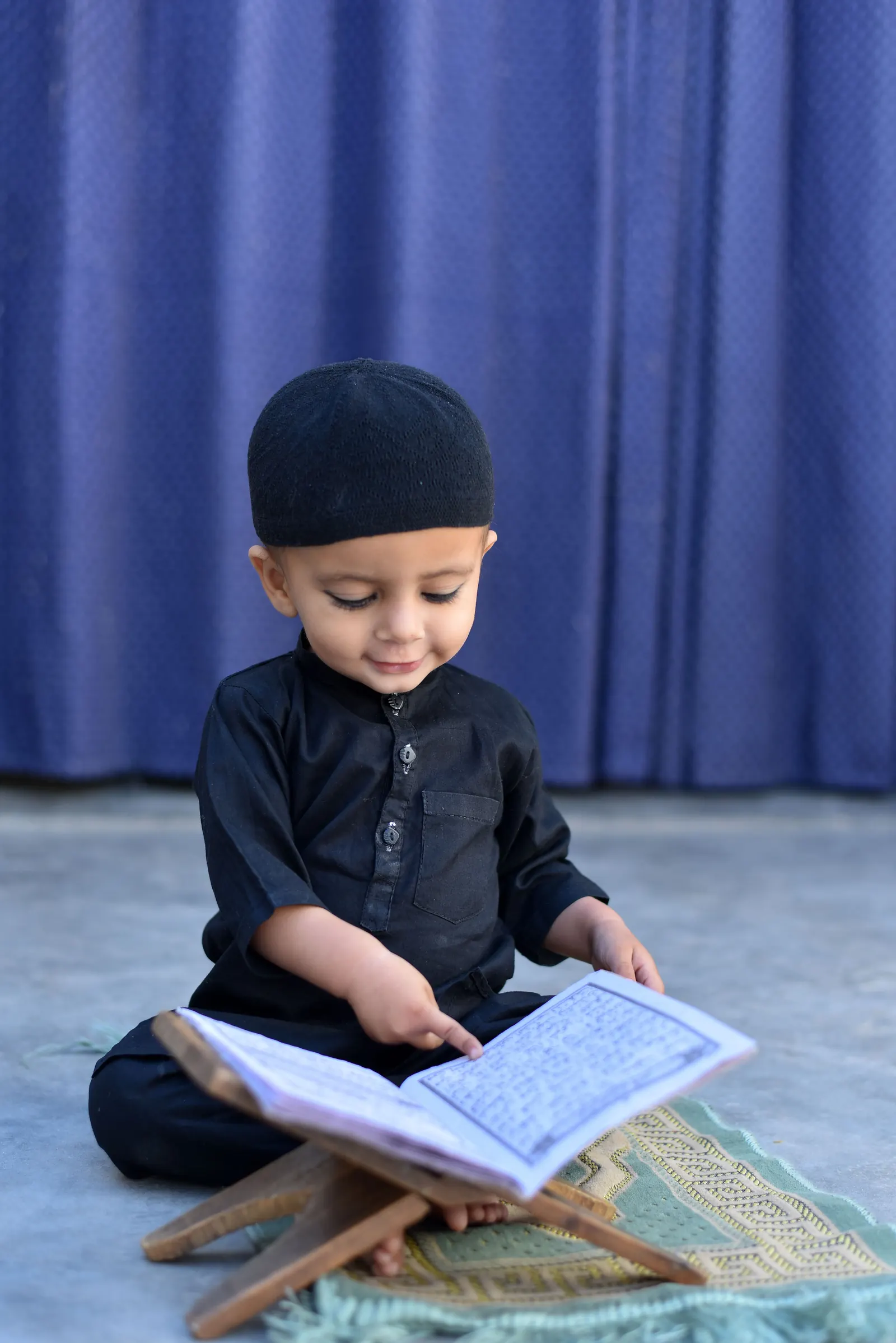
A little boy in a black kufi and kurta traces the lines of a mushaf on a wooden rehal

Faith and language

Islamic studies and Arabic

Islamic studies begins in Kindergarten as a subject with its own lessons. Children start to learn about their faith as something they study, as well as something they live at home.

Arabic is a full subject from Kindergarten. Children build on the letters and sounds from PreK, so reading Arabic starts to feel familiar before they can start reading from the Qur’an in Grade 1.

The school will confirm

What Kindergarten Islamic studies covers in the year, and which materials it uses.

A smiling young boy in a white polo shirt holds a pencil over his worksheet at a classroom table

The academic core

Reading, math, science, social studies and PE

English language arts teaches the five components of reading, starting in Kindergarten: phonemic awareness, phonics, vocabulary, fluency and comprehension. In Kindergarten through Grade 5, our curriculum is based on the Common Core Standards, and math is taught with Singapore Math, which lets children handle real objects and draw a problem before working with numbers alone.

Science and social studies open up the world beyond the classroom. PE is twice a week in our gymnasium, and children have recess every day on the playground or in the gym.

Close attention

Close attention, and help before a child falls behind.

Kindergarten is when small gaps are easiest to close. Our classes are smaller than public schools can usually offer, so the teacher can see how each child is doing.

Smaller classes mean more time with the teacher for each child.

When a child does need more, help starts in the classroom. Teachers use Response to Intervention (RTI), giving extra, targeted help with the skill a child is finding hard and checking that it works.

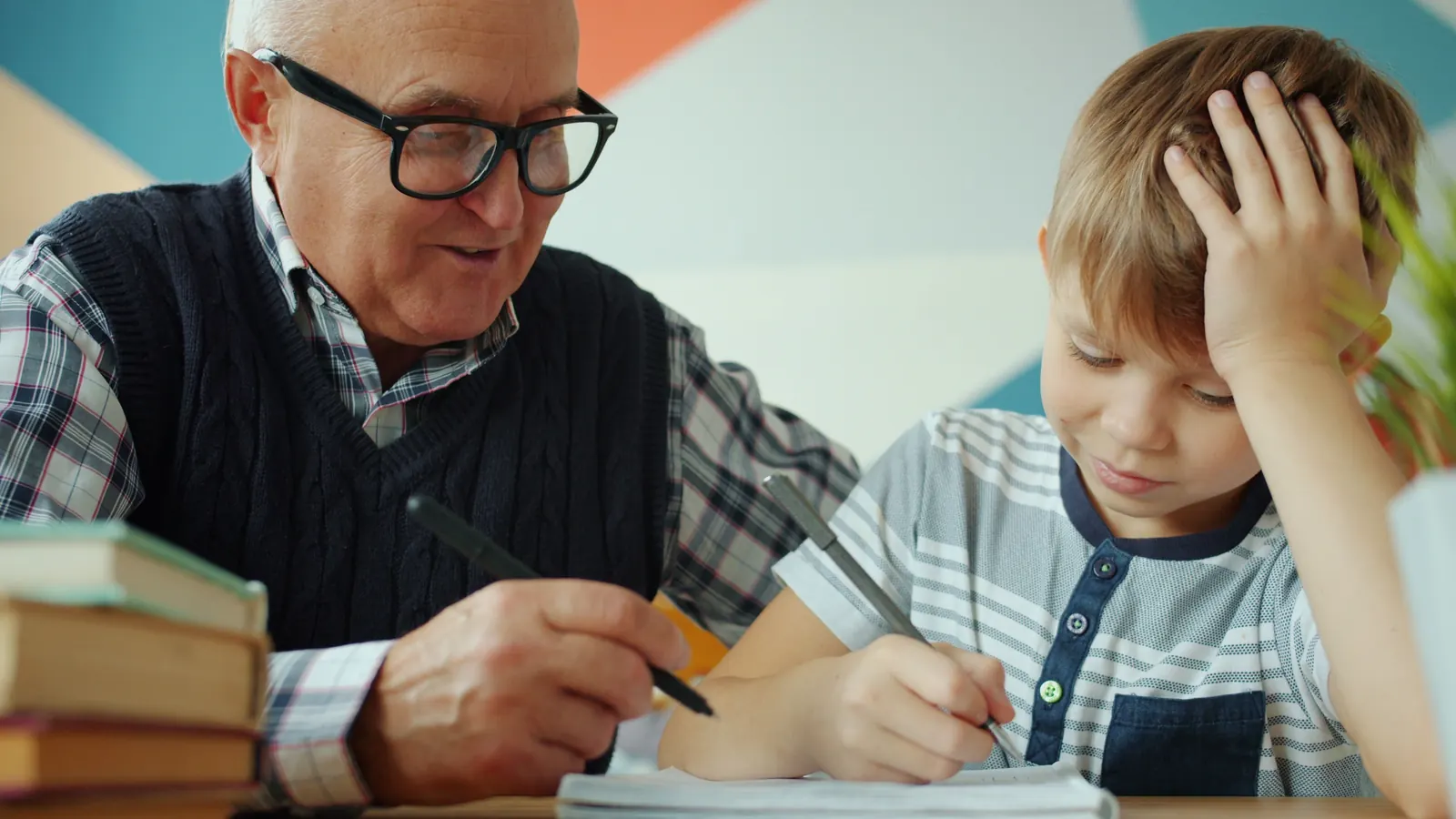
A gray-haired man in glasses sits beside a young boy and guides him as the boy writes in a notebook
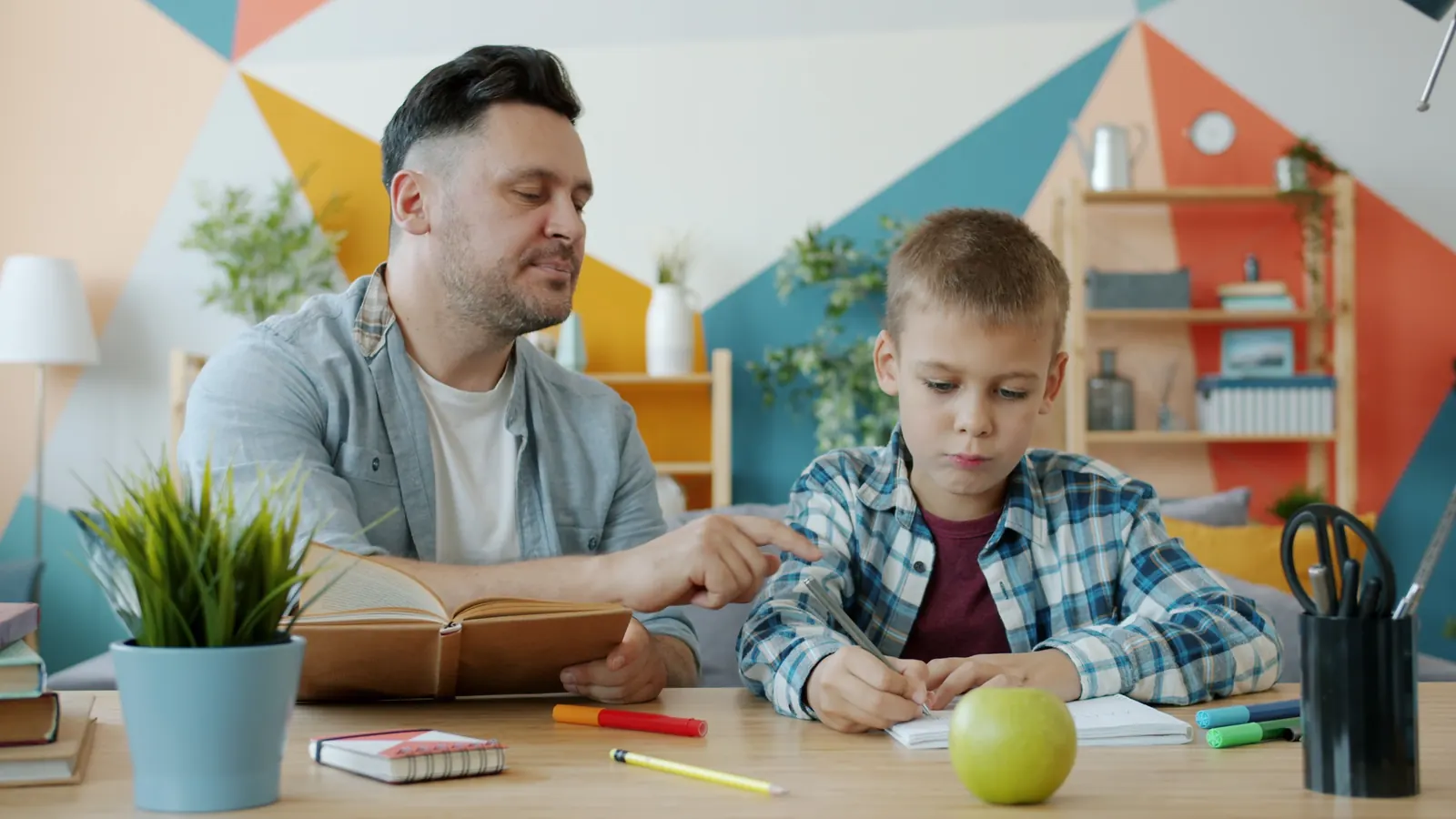
A man points to the page as a young boy in a plaid shirt writes at a table

If classroom help is not enough, our interventionist can give pull-out support, and an RTI Committee decides whether a child needs continued or more intensive help. Accommodations are given only under certain conditions, after a meeting with the administration, and need its approval and proper documentation.

The Student Services page explains each of these steps and who is involved.

Kindergarten uses standards-based report cards, so you can see how your child is doing against each standard.

The school will confirm

How Kindergarten families hear about their child’s progress during the year: report cards, conferences or messages from the teacher.

In our words

We have smaller class sizes to provide better instructional classroom opportunities that public schools cannot provide.

What comes next

From Kindergarten graduation into Grade 1.

The end of Kindergarten is a milestone at Huda Academy, and Grade 1 brings two new parts of the school day.

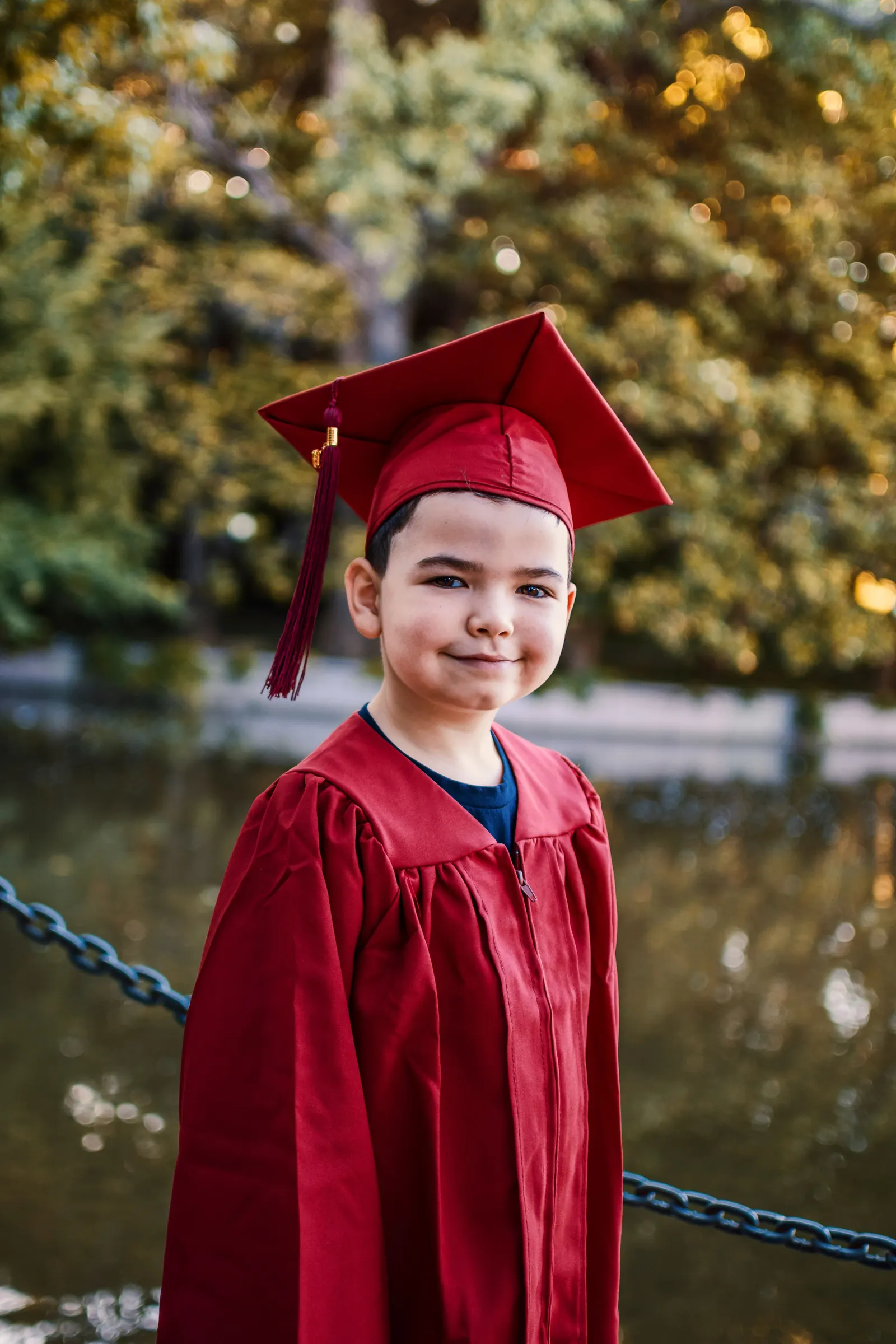
A young boy in a red graduation cap and gown smiles beside a pond under autumn trees
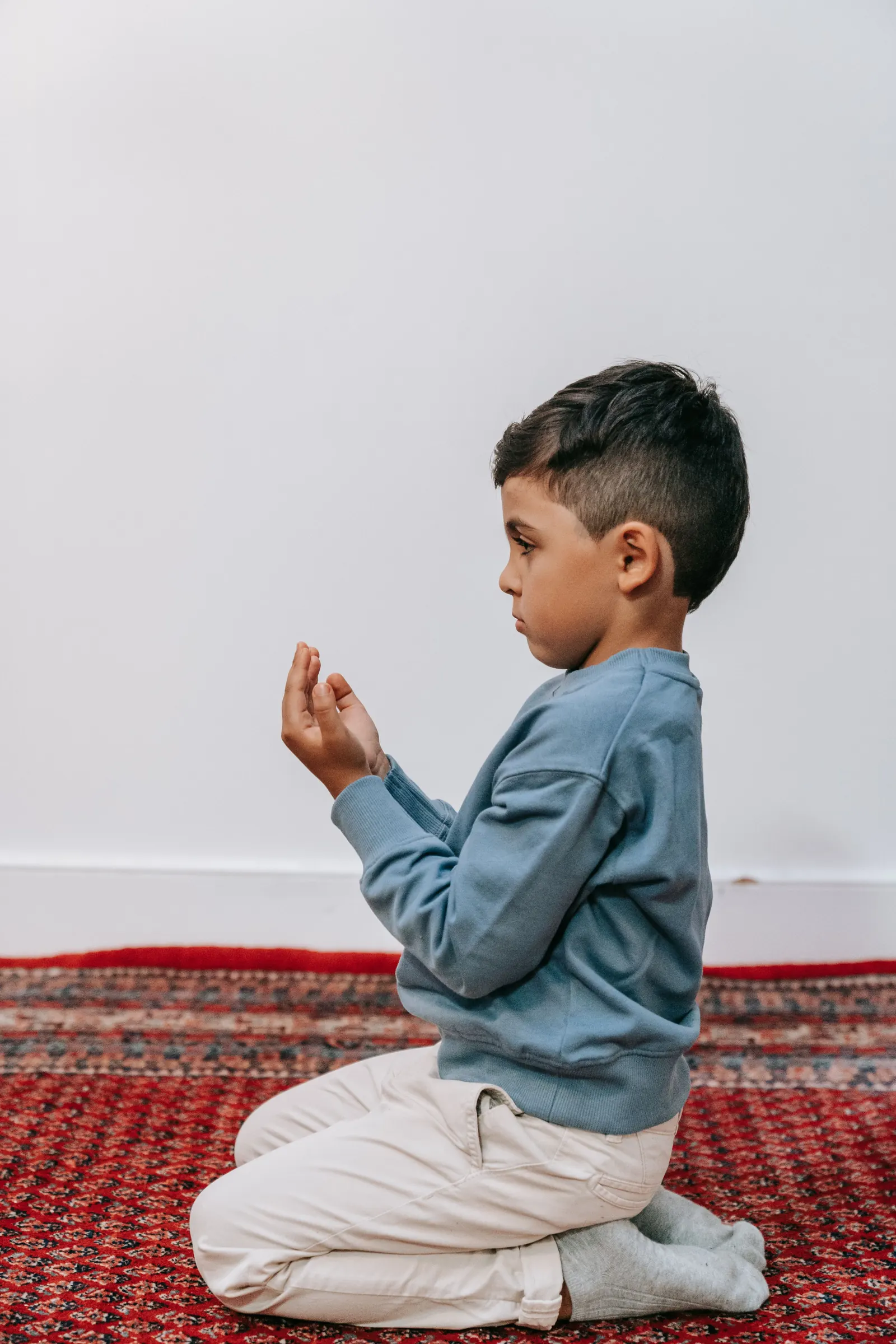
A young boy kneels on a red prayer rug with his hands raised in dua
  1. Kindergarten graduation

    Kindergarten ends with a graduation ceremony, one of four we hold, with PreK, Grade 5 and Grade 8. Families come to see their children mark the end of their first full year of school.

  2. Salah joins the day

    In Grade 1, salah becomes a subject on the timetable, and children begin praying Dhuhr together at school, with older students there to mentor them.

  3. Reading from the Qur’an

    We have one of the strongest Qira’ah (Qur’an recitation) programs in the nation, and children start reading from the Qur’an as early as Grade 1.

Ready for Kindergarten

Save them a seat now.

Real learning and gentle support fill the whole Kindergarten day here, so start your child’s application.

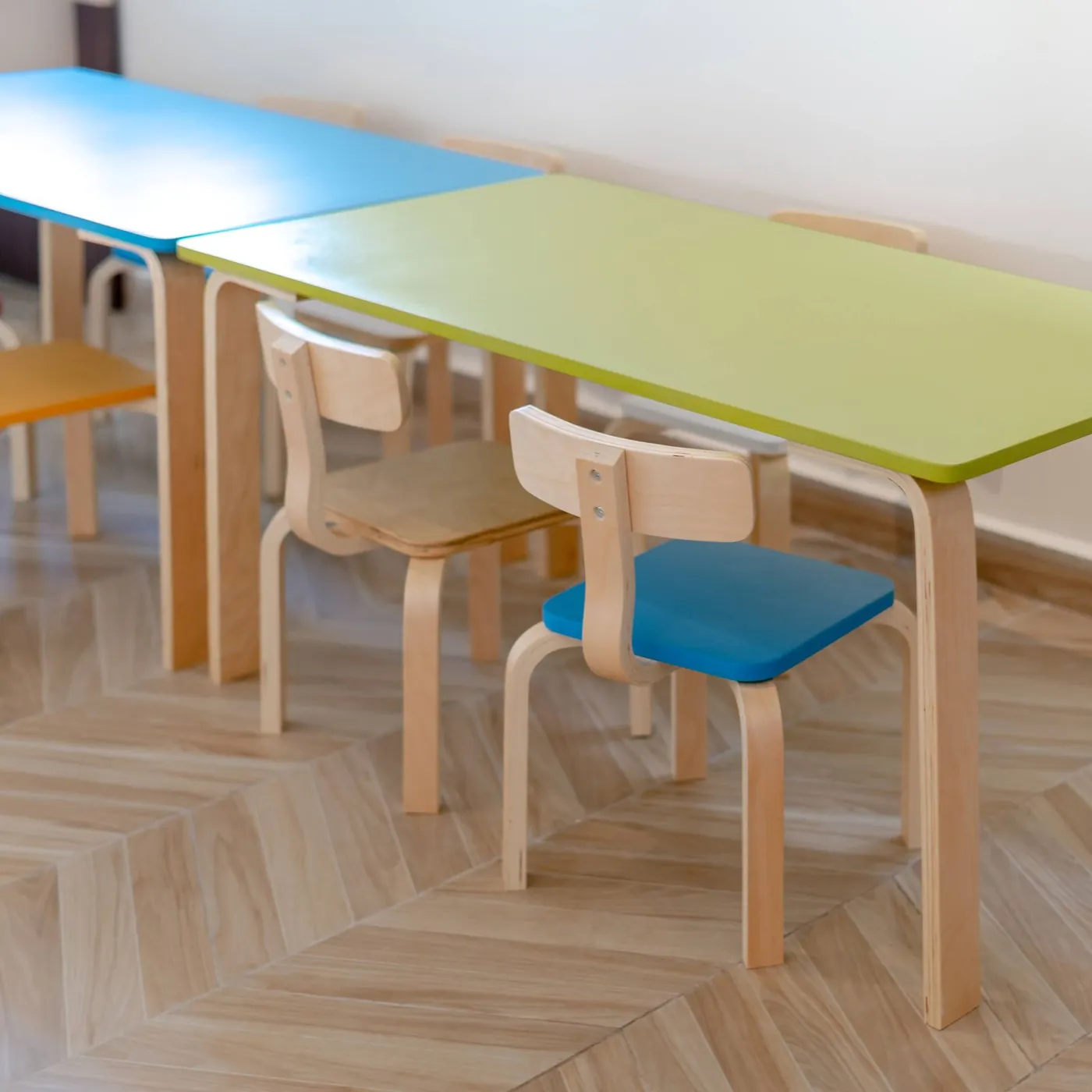
Rows of small bentwood children's chairs with colored seats tucked under low tables on a light herringbone wooden floor