

Enrollment opens each March — register by 31 May for the discounted rate.

Apply Now
Academics

Elementary.Grades 1 to 5.

In Grades 1–5, children build real skill in reading, math, and science, alongside Arabic, Islamic studies, and daily Dhuhr prayer.

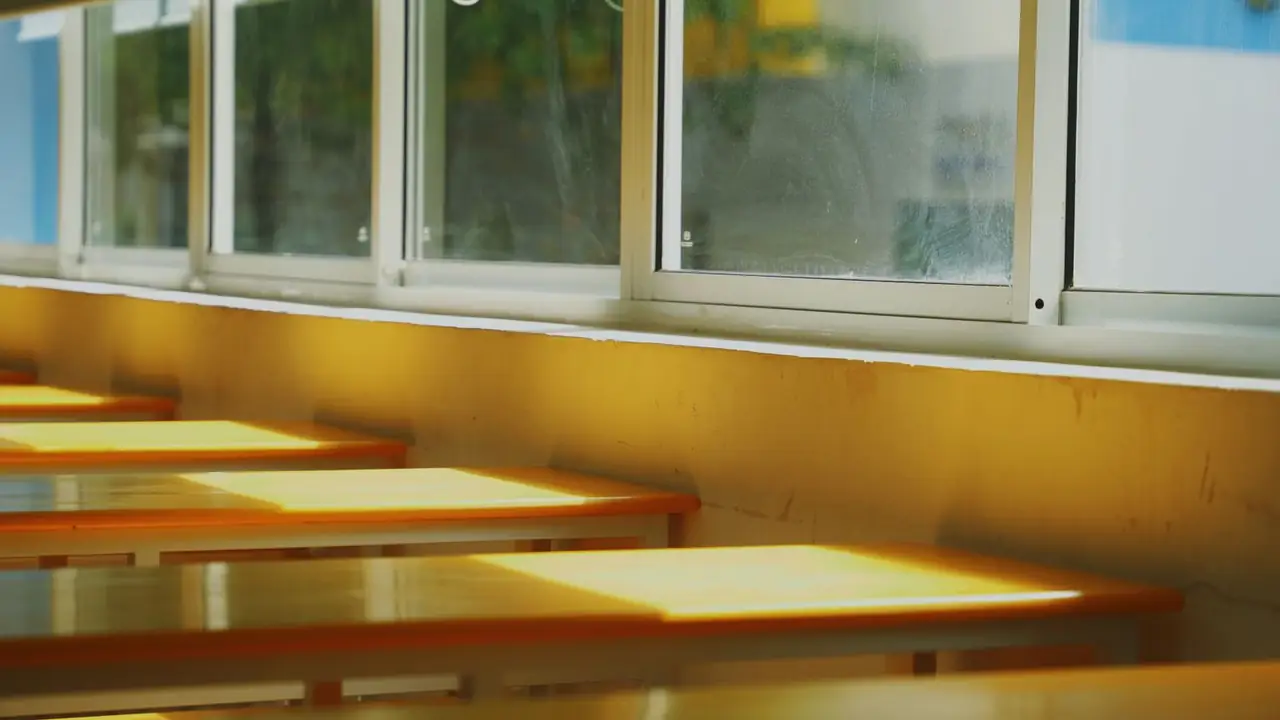
Late-afternoon sunlight falling gold across empty classroom desks along a window wall.

Grade by grade

What each elementary year adds to the timetable.

The elementary years keep one steady core of subjects from Grade 1 to Grade 5, and add to it as children grow. Every grade attends the full school day, 8:00 to 3:25, and every child has recess each day, on the playground or in the gym.

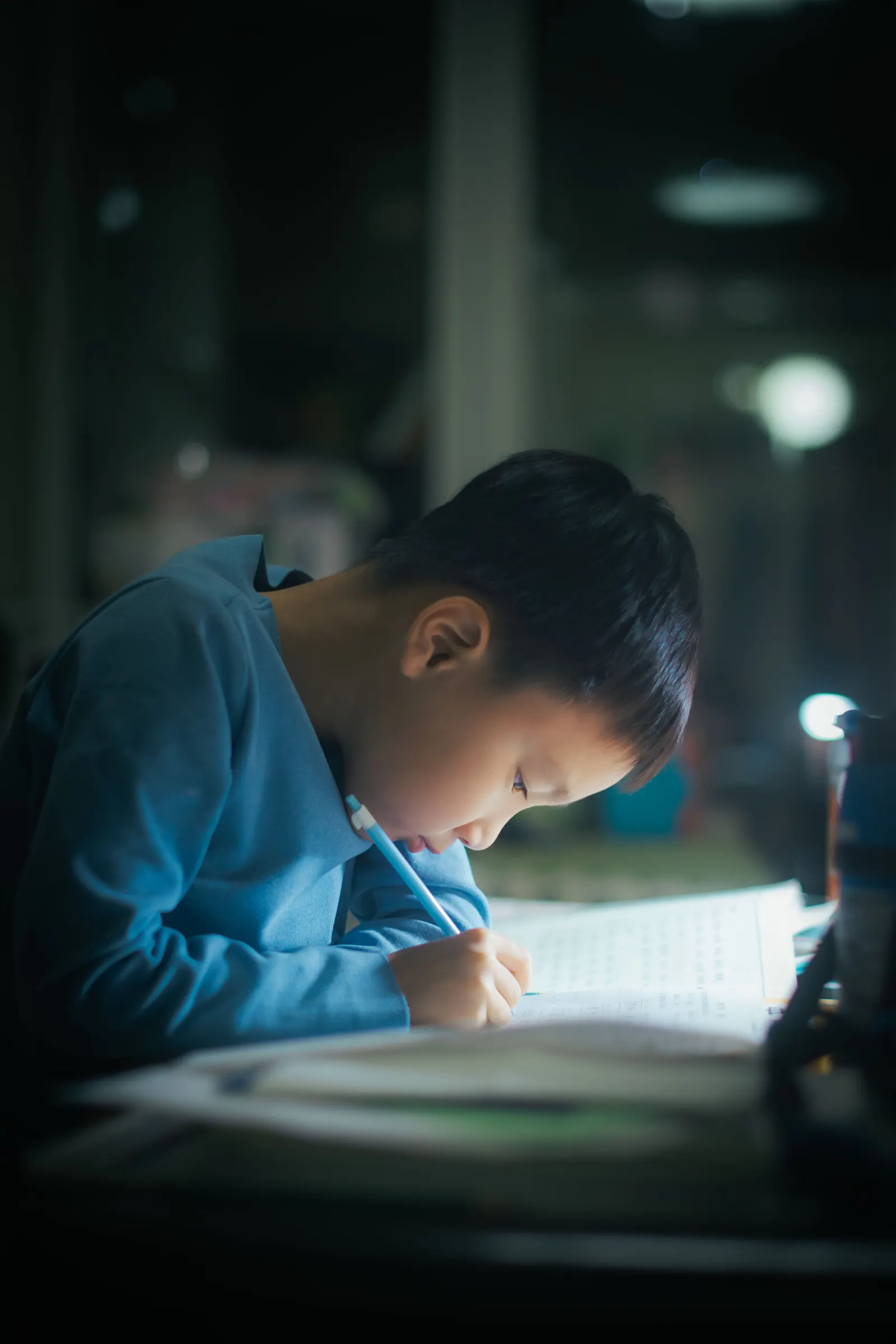
A boy in a blue shirt bends over his desk writing carefully under a lamp
A young boy types at a desktop computer and looks round at the camera
  1. Grades 1 to 3

    Eight subjects: English language arts, math, science, social studies, PE twice a week in our gym, Arabic, Islamic studies and salah. Salah is new in Grade 1, with its own place on the timetable, and Grade 1 is when children begin reading from the Qur’an. Reading is taught through its five parts, which begin in Kindergarten: phonemic awareness, phonics, fluency, vocabulary and comprehension. Writing uses the 6+1 Traits approach, through journals, process writing and different genres. We track reading progress with the STAR test and Accelerated Reader. From Grade 3, children read and discuss whole chapter books in a variety of genres.

  2. Grade 4

    Computer science is added to the timetable, taught in our computer lab. Every classroom has a Smart-Board, so technology is part of everyday lessons too.

  3. Grade 5

    Art joins the timetable, making ten subjects, the same set students keep through the middle grades. Grade 5 ends with a graduation ceremony, marking the close of the elementary years before Grade 6.

Qur’an and Arabic

Reading the Qur’an from Grade 1.

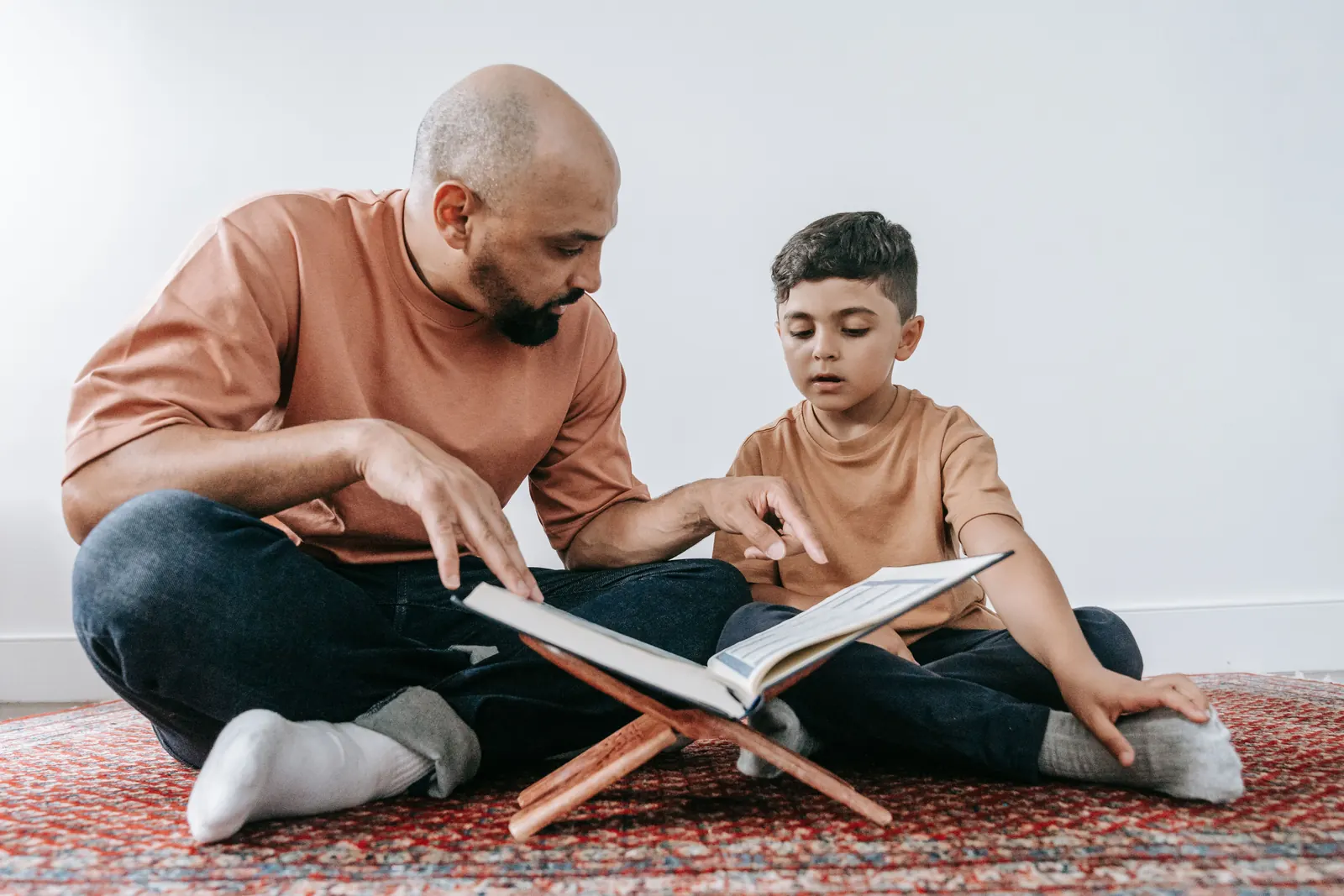
A bearded man sitting cross-legged on a rug points to the Qur'an on a wooden stand as a young boy reads Qira’ah • Arabic • Salah
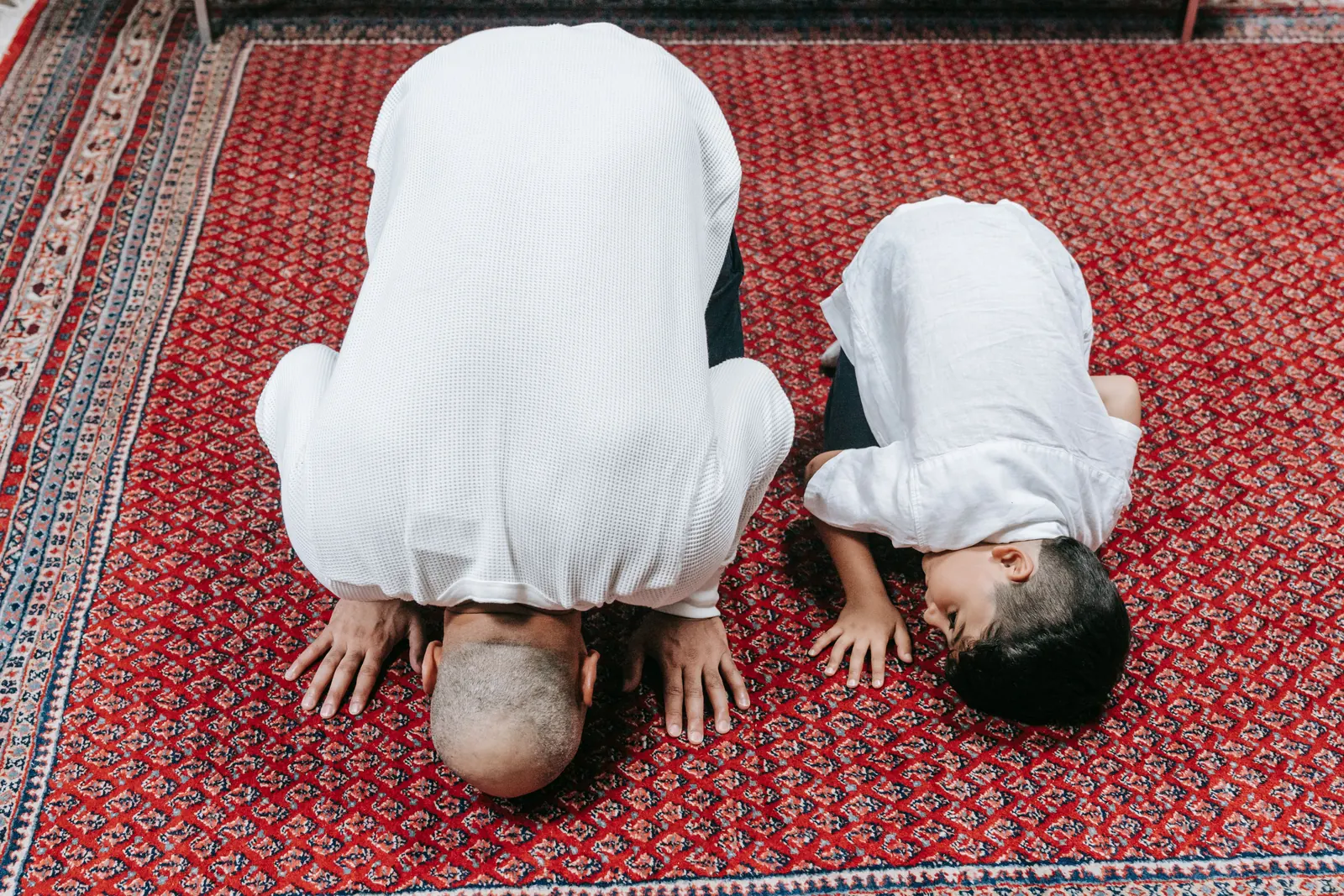
A man and a young boy in white prostrate side by side on a red prayer rug

Qira’ah

Qira’ah is the study of reciting the Qur’an correctly. We have one of the strongest Qira’ah programs in the nation, and children start reading from the Qur’an as early as Grade 1. Each grade also memorizes its own portion of the Qur’an through the year, with the teacher tracking every child’s progress. Children who want to go further can join the Hifz program.

Arabic

Children first learn Arabic letters and numbers in the early years, and Arabic is a full subject from Kindergarten. It is taught both as Modern Standard Arabic and as Qur’anic Arabic for recitation. From Grade 3, our Arabic program follows the BayyinahNeeds fixing curriculum, with the emphasis on understanding the message of the Qur’an.

Islamic studies and salah

Islamic studies uses I Love IslamNeeds fixing, a series written for elementary students. From Grade 1, students pray Dhuhr together every school day, and older students mentor the younger ones. On Fridays, an older student gives the khutbah.

The school will confirm

Whether Bayyinah is still used from Grade 3; the exact title and publisher of the elementary Islamic studies series; and how many hours a week Qur’an, Arabic and Islamic studies are taught.

Math and science

Strong math, and science done in a real lab.

Each year we test students with the CTB battery. On average, our grade levels score in the 80th percentile or above in reading, language and math.Needs fixing

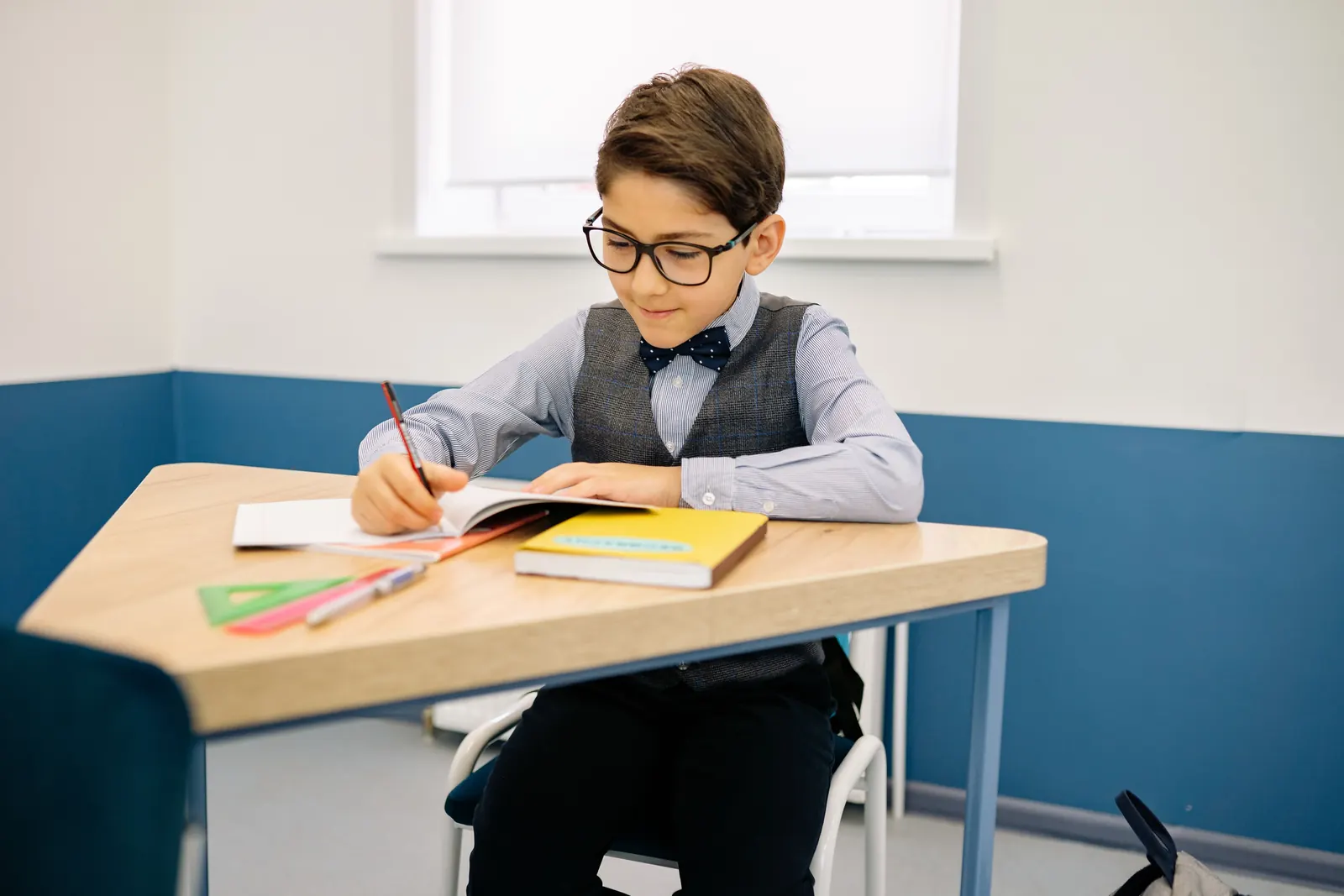
A boy in glasses and a bow tie writes in his notebook at a classroom desk, rulers and a set square beside him

Math

Singapore Math, on Common Core standards

In the elementary grades, our curriculum is based on the Common Core Standards, and we teach math with Singapore Math, which gives us one of the strongest math programs in Arkansas.

Singapore Math covers fewer topics each year, and goes deeper into each one. Children first solve a problem with real objects, then draw it, and only then work with numbers alone, so they understand why a method works before they practice it.

Every quarter, STAR Math and Accelerated Math check each child’s skills, so teachers can close gaps or help a child move ahead. Our report cards are standards-based, so you can see how your child is doing against each standard.
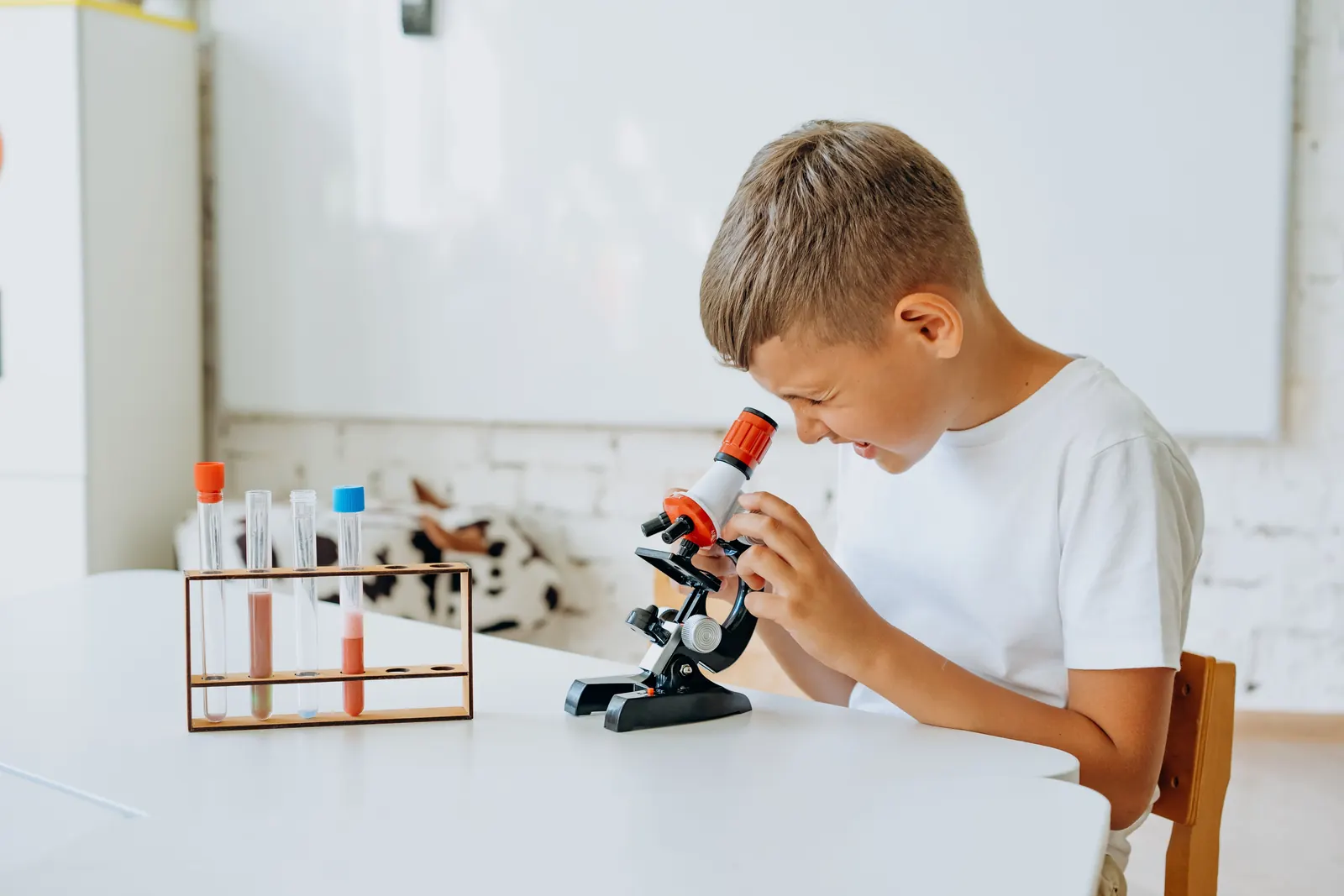
A boy looks into a small microscope beside a rack of test tubes on a white table

Science

Next Generation Science Standards, and a lab

Science follows the Next Generation Science Standards, which ask children to ask questions, test ideas and explain what they find. We have our own science lab, so experiments are part of the lessons, and students can enter the science fair.

We also work with the University of Arkansas at Little Rock (UALR), which runs a teacher resident program and professional training for our teachers.

The school will confirm

Whether the CTB result is current and may be published, and which year it comes from.

Beyond the classroom

Clubs, competitions and a place on student council.

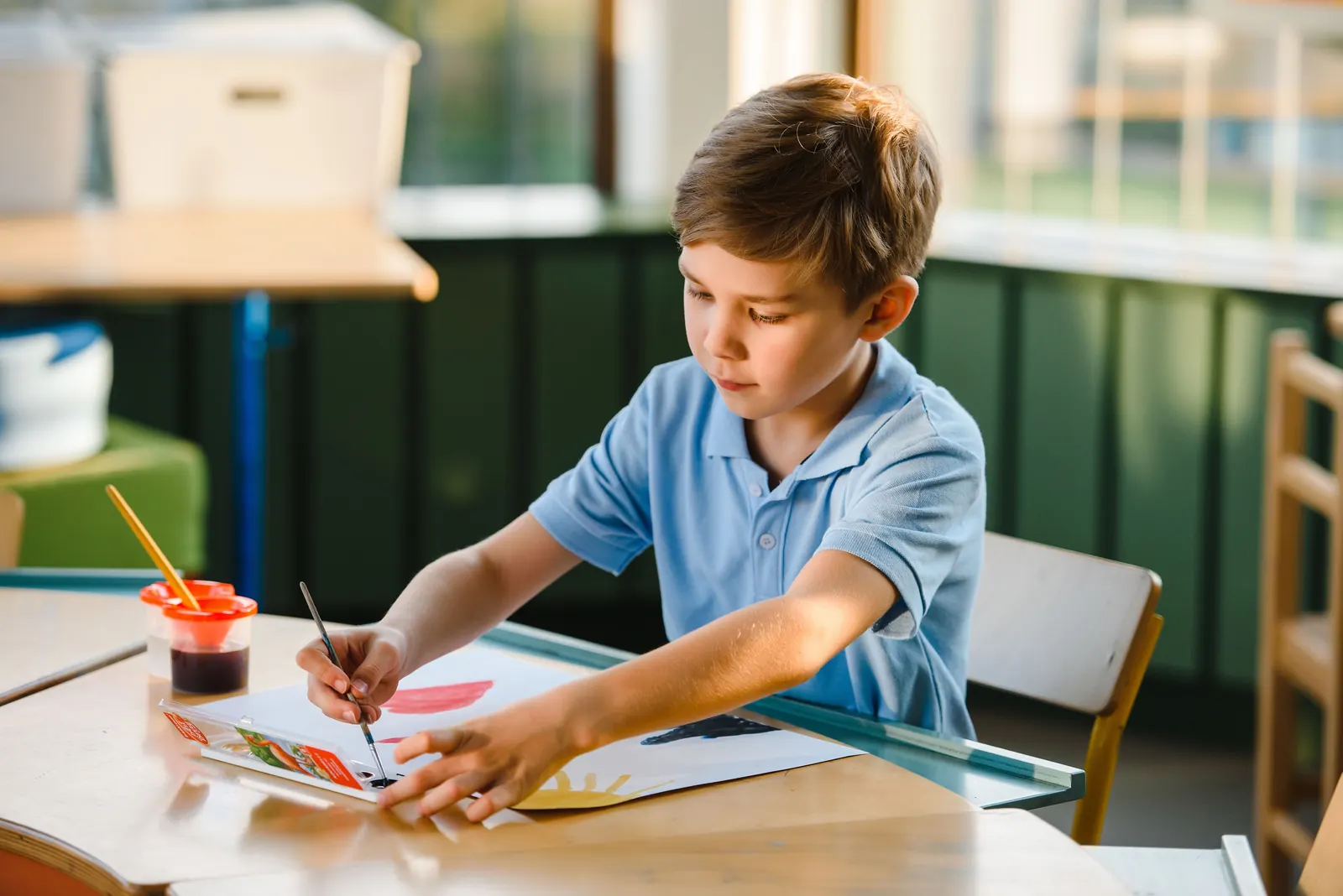
A boy in a blue polo paints with a brush at a sunlit classroom table

Elementary students can join four activities, and they can enter state and national competitions.

What elementary students can join

  • Student council
  • The Hifz program
  • Art Club
  • Recorder Club, for music

Clubs are run after school hours by teachers who volunteer their time. Any student can join with a parent’s consent and a sign-up fee. Student council members are elected by other students, and must have good grades and good behavior to stand. The council raises funds in school and takes on school projects.

Competitions

Our students can enter five state and national competitions: the Qur’an competition, the science fair, the speech contest, the spelling bee and the Arabic spelling bee. Each gives children a reason to prepare, and a chance to stand up in front of others.

The school will confirm

The club sign-up fee, which days and times clubs meet, and which grades can stand for student council.

Strong foundations

Give them solid ground.

The elementary years set habits that last, in study and in faith, and a place for your child starts here.

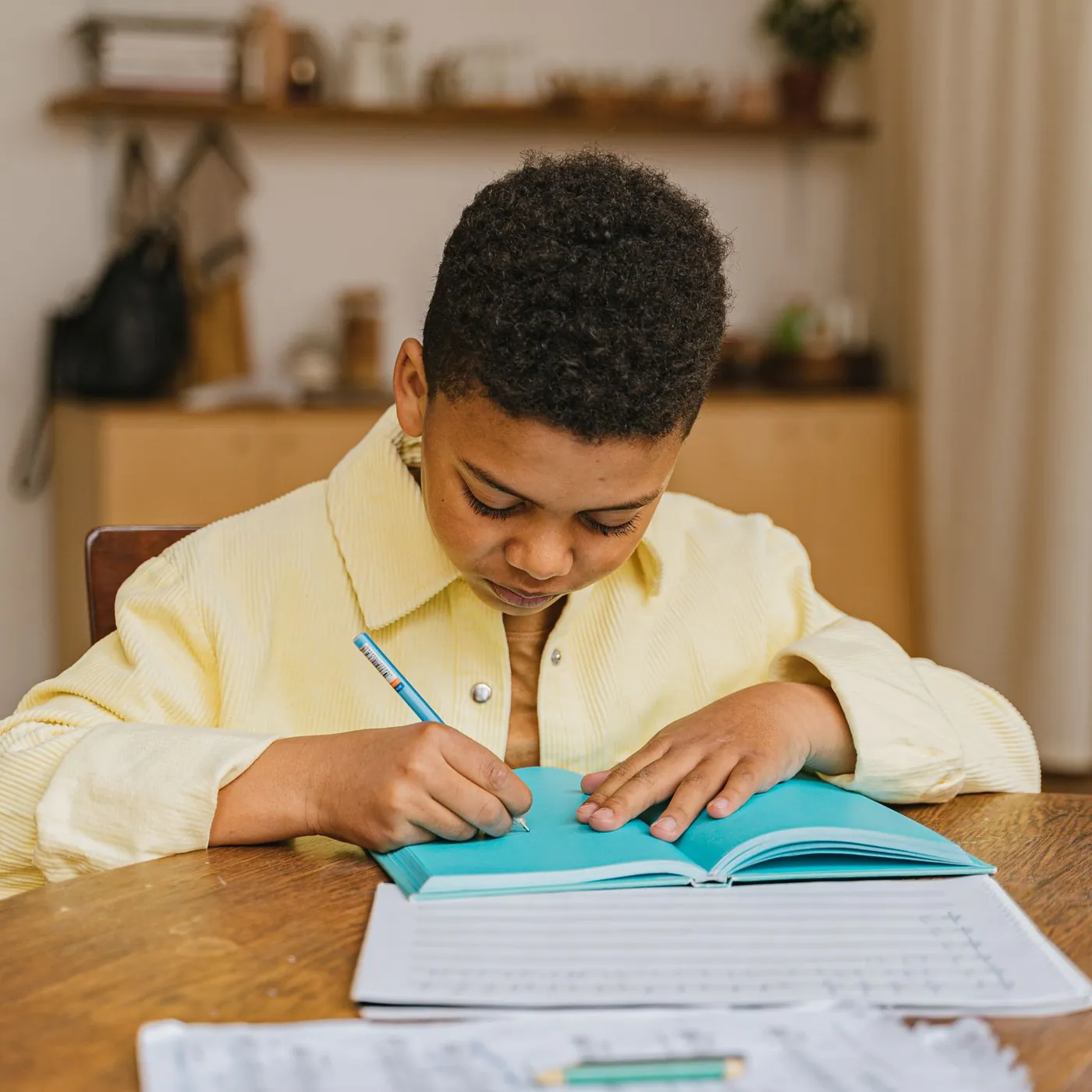
A young boy in a pale yellow shirt bends over a turquoise exercise book, carefully writing at a wooden table